

God's Covenants
G od made covenants with man to establish an intimate and eternal father-son relationship with man, because man is created in the image of God (Gen. 1:27). The Bible records the history of the covenants between God and His people. God's divine love and redeeming grace are revealed to the whole world, from individuals to families, to nations, and then to all humanity. As the BibleProject says - God preserved the world through Noah, initiated redemption through Abraham, established the nation of Israel through Moses, promised an eternal shepherd-king through David, and then fulfilled all of his covenants through Jesus.
God Created Heavens, Earth and Man
In the beginning God created the heavens and the earth. The earth was without form, and void; and darkness was on the face of the deep. And the Spirit of God was hovering over the face of the waters. Then God said, “Let there be light”; and there was light. And God saw the light, that it was good; and God divided the light from the darkness. God called the light Day, and the darkness He called Night. So the evening and the morning were the first day…Then God said, “Let Us make man in Our image, according to Our likeness; let them have dominion over the fish of the sea, over the birds of the air, and over the cattle, over all the earth and over every creeping thing that creeps on the earth.” So God created man in His own image; in the image of God He created him; male and female He created them…Then God saw everything that He had made, and indeed it was very good. So the evening and the morning were the sixth day.
- Genesis 1:1-5, 26-27, 31
[Note] A day in the Bible/Jewish calendar is "night + day", from the first sunset to the second sunset as one day.
01
Adamic Covenant
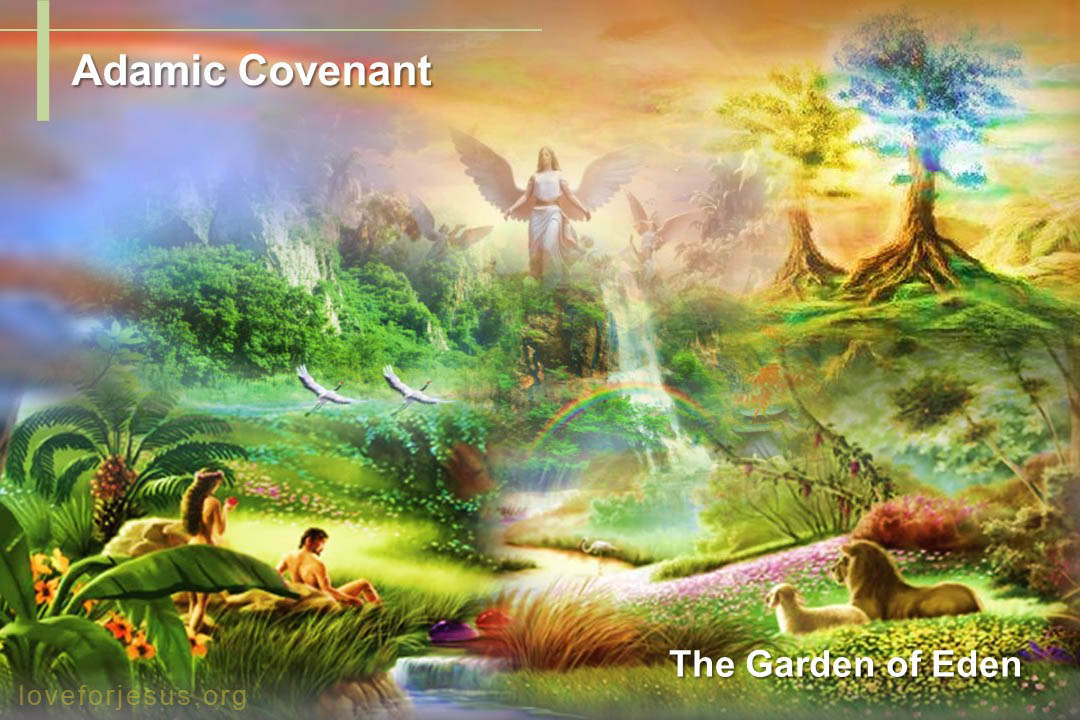
At the beginning of creation, God the Father created the first man in His own image from the dust of the ground, and breathed into his nostrils the breath of life, and he became a living, spiritual being named Adam (Gen. 1:27; 2:7). From Adam's rib, God created his wife, Eve (Gen. 2:18,22;3:20). God placed them in the beautiful Garden of Eden (Gen. 2:8-9), where He was with them and gave them authority over all the earth (Gen. 1:28), with only one commandment: "Of every tree of the garden you may freely eat; but of the tree of the knowledge of good and evil you shall not eat, for in the day that you eat of it you shall surely die.” (Gen. 2:16-17) The serpent (the devil) (Rev. 12:9) tempted and deceived Eve to disobey God's commandment and eat the fruit of the tree of the knowledge of good and evil (Gen. 3:4-6), allowing sin to enter into the pure human nature (Rom. 7:18-20), making people captive to the devil (John 8:34).
02
Noahic Covenant
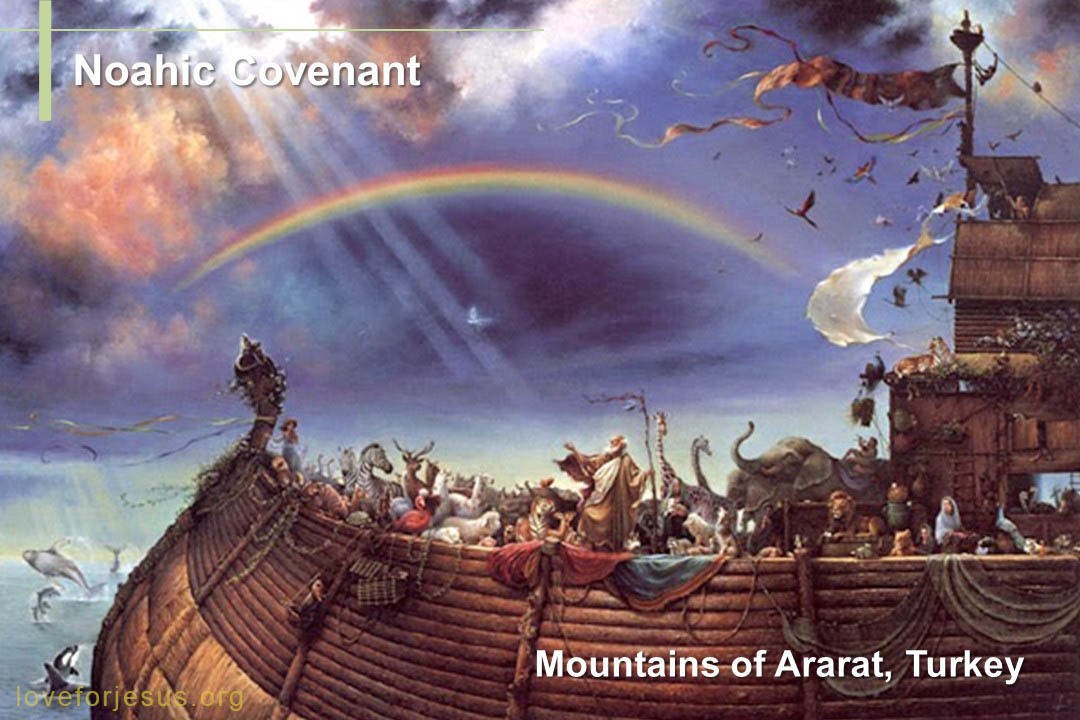
When Adam disobeyed God, sin entered the world (Rom. 5:12, 14; 8:20). When God saw that there was great wickedness on the earth and that man’s thoughts were only evil all the time, He regretted creating man (Gen. 6:5-6). God made a covenant with Noah, the 9th generation of Adam, and told him to build an ark, store food, and put all the animals in it to save them (Gen. 6:17-19, 21). When Noah was 600 years old, God sent heavy rain for 40 days and nights. The fountains of the great deep and the windows of heavens were opened (Gen. 7:11-12). The waters were so great that they flooded the whole earth for 150 days, drowning all the mountains and killing all the creatures (Gen. 7:19, 23-24). A year later, when the water on the earth had dried up (Gen. 8:13), God blessed Noah and his sons with a multitude of children to fill the earth and made a rainbow covenant with them, promising not to destroy the earth with floods again (Gen. 9:1, 11, 13).
03
Abrahamic Covenant
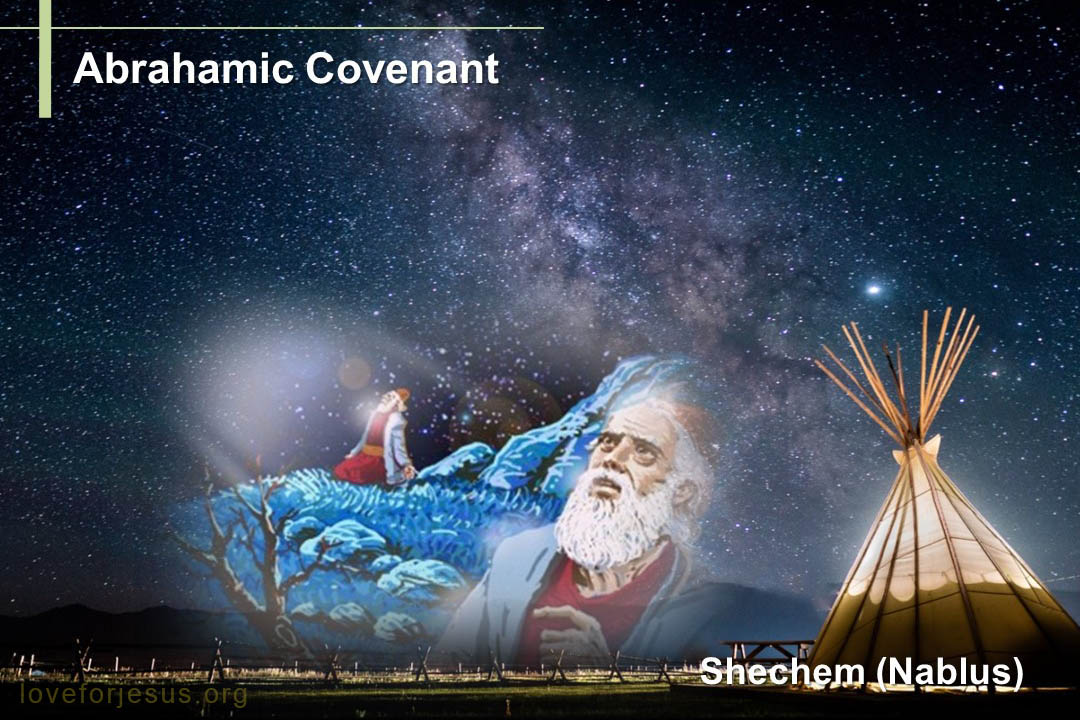
About 400 years after the Flood, Noah's three sons had many children. They wanted to build a tower of heaven to make their name famous. God confused their languages and scattered them all over the world (Gen. 11:4, 9). Each of them founded a nation according to his own dialect and clan (Gen. 10:5,32). Abraham was a descendant of Shem and is called the Father of Faith (Heb. 11:8-12). God called Abraham to leave his tribe and made a covenant with him, promising to give him the land of Canaan as an inheritance. His descendants would be as numerous as the stars and become a great nation, and through him all nations would be blessed (Gen. 12:1-3; 17:5-8 ). History proves that Abraham's descendants entered the Promised Land and founded the nation of Israel. Jesus came from Abraham's descendants (Gal. 3:16; Mt. 1:1). Jesus’ salvation is for everyone, and the Abrahamic Covenant is God’s promise to all who believe in Jesus (Gal. 3:28-29; Rom. 4:16).
04
Jacob's Covenant
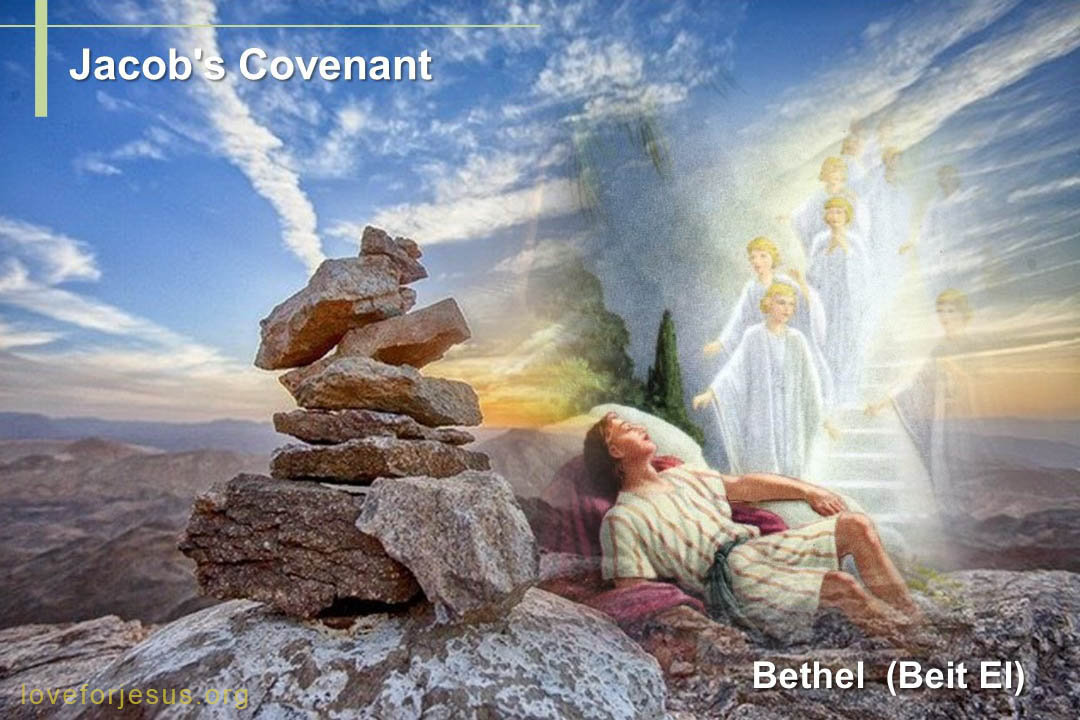
Jacob, also called Israel (Gen. 35:10), was the ancestor of the 12 tribes of Israel (Gen. 49:28). Jacob fled to his uncle's house (Gen. 27:35-36) because his twin brother Esau resented him for cheating him out of the title of firstborn and his blessing. On his way, Jacob had a dream of a ladder to heaven, with angels of God going up and down (Gen. 28:12). God stood above the ladder and promised Jacob His covenant with Abraham. God promised Jacob that he would inherit the land where he lay, and that his descendants would be as numerous as the sand, and that a multitude of nations would come from him, and kings from his seed (Gen. 28:13-15; 35:11-12). History proves that the 12 sons of Jacob became the 12 tribes of Israel, and Jesus was born in the tribe of Judah (Num. 24:17). Jesus used His body as a ladder to build the bridge between man and God. He revealed God's divine love to all people through His sacrifice on the cross (1 Tim. 2:5-6).
05
Mosaic Covenant
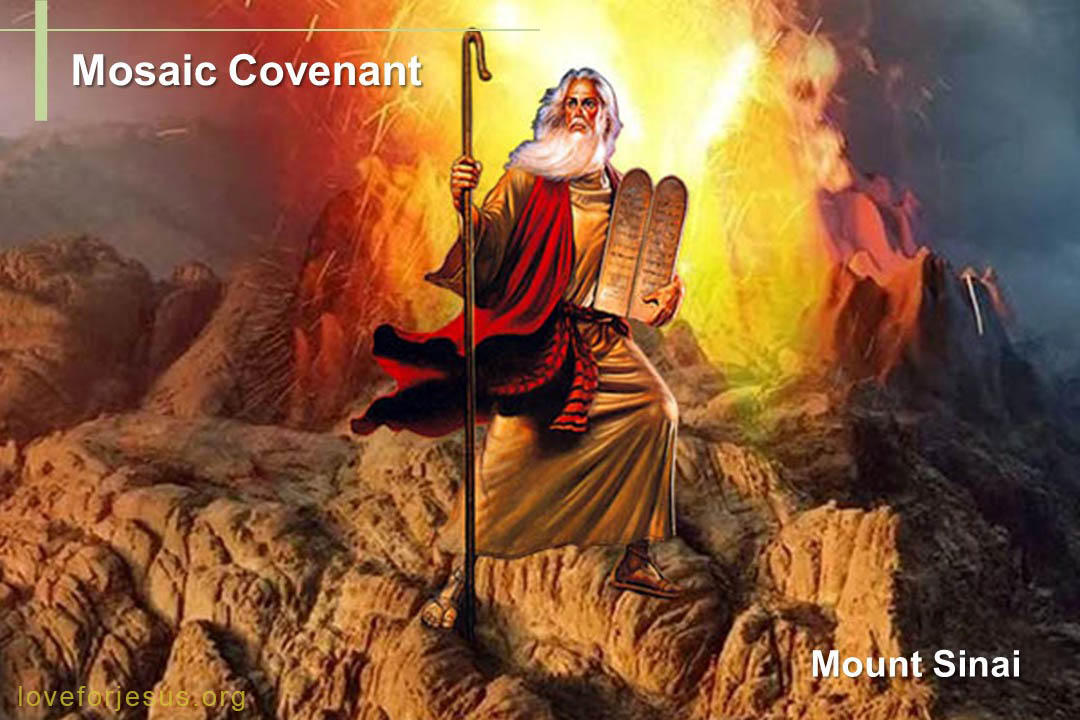
When God made a covenant with Abraham, God explicitly told him that his descendants would be enslaved for 400 years, but God promised to punish that land and set them free (Gen. 15:13-14). In Jacob’s later years, he took his family to Egypt due to a famine and joined his son Joseph, who had been sold to Egypt by his brothers as a child and later became prime minister (Gen. 45:4-8). After Joseph's death, a tyrant ruled and the Jews were reduced to slavery (Exod. 1:8-10, 13-14). Pharaoh ordered the killing of all Israelite boys (Exod. 1:22). God kept His promise to Abraham by calling Moses to lead the Israelites out of Egyptian slavery (Exod. 3:9-10, 19-21). God made a covenant with them at Mount Sinai and gave Moses the Ten Commandments to guide His people in living a holy life (Exod. 19:3-6; 31:18). God called Israel out of all the nations to be His people so that through them God could bring blessing to the whole world.
06
Moab Covenant
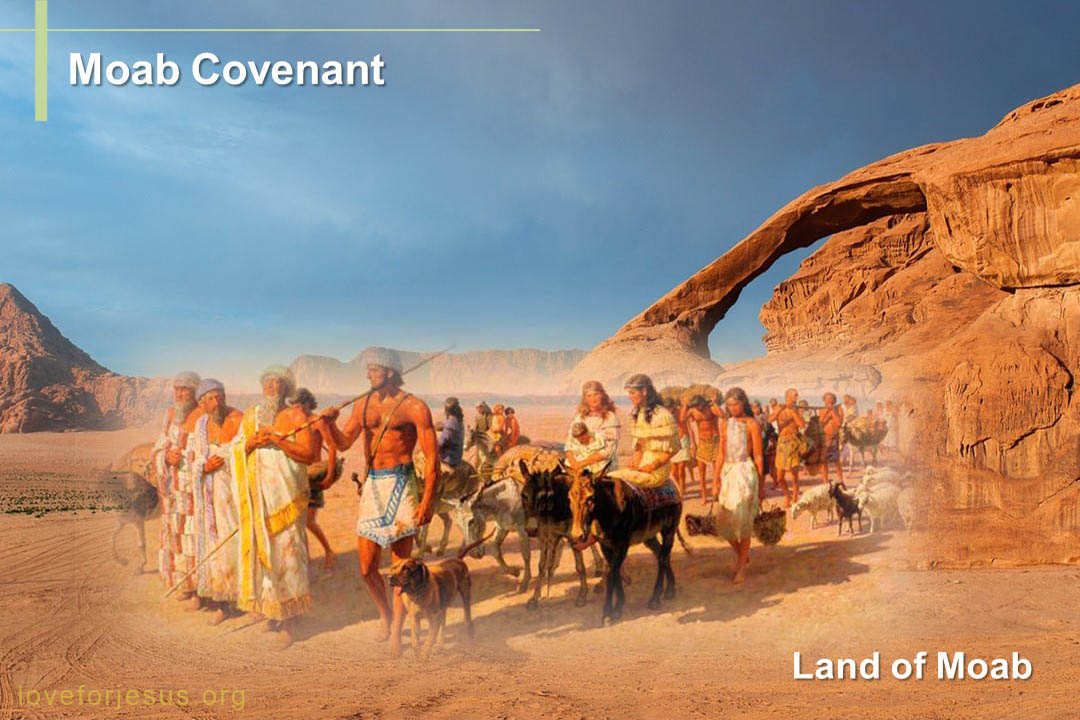
After rescuing the Israelites from Egypt, God led them with a pillar of cloud and fire. He provided for them for 40 years in the wilderness with bread from heaven and water from the rock (Neh. 9:18-21). Before they entered the Promised Land of Canaan, God made a covenant with them in Moab (Deut. 29:1). He promised them blessings and warned them of consequences. If they obey God, He will make them above all the nations; if they turn away from God and serve other gods, they will perish (Deut. 28:1; 30:17-19). History shows that the faithful God brought the Israelites into the land of Canaan, which He had promised to Abraham (Josh. 21:43-45; Deut. 9:5). After enjoying a blessed life, the Israelites began to follow the idolatry of the pagans and disobeyed God, which eventually led to the destruction of the nation. As promised, the faithful God gathered them back again from all the nations after they repented, and Israel was restored in 1948.
07
Davidic Covenant
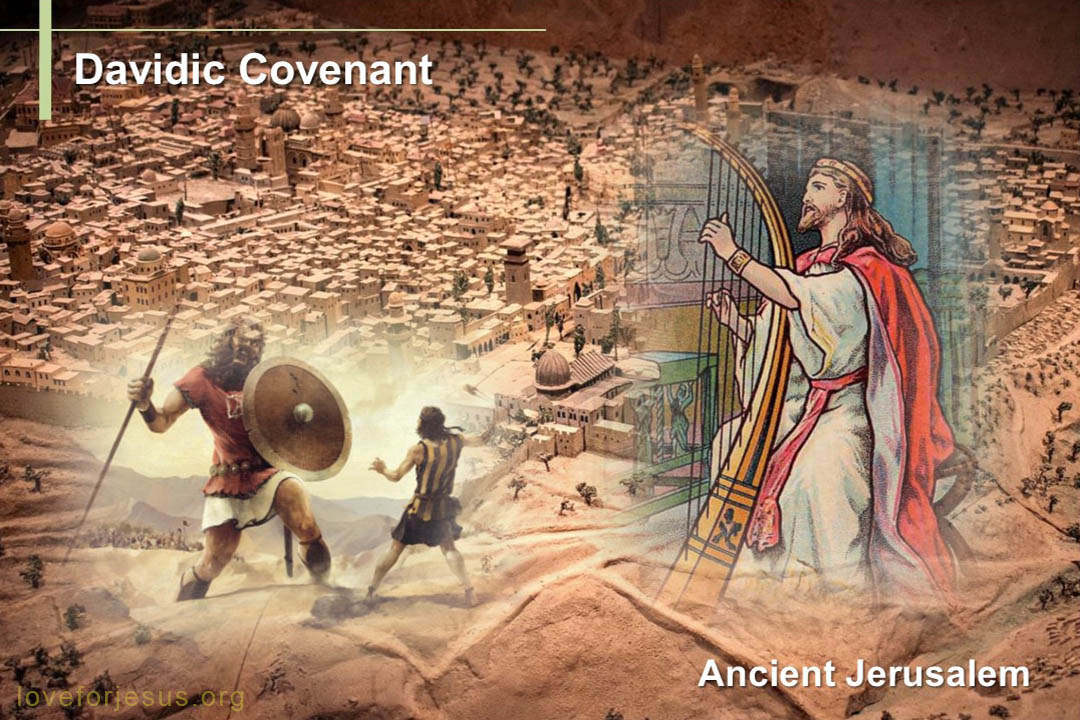
After the Israelites entered the Promised Land, the prophet Samuel anointed Saul as king at the request of the people (1 Sam. 9:15-17). After Saul became king, he repeatedly disobeyed God and rejected God's words (1 Sam. 15:22-23). So God sent Samuel to Bethlehem to anoint David, a 14th-generation descendant of Abraham, who was a shepherd boy (1 Sam. 16:11-13). The Spirit of God was with David as he stoned the Philistine giant Goliath to death (1 Sam. 17:45-47,49). After Saul died, David became king (2 Sam. 5:4-5). God made a covenant with David, promising him that his descendants would establish an everlasting kingdom (Ps. 89:3-4), referring to the Lord Jesus (Acts 13:22-23). History testifies that Jesus, the descendant of David, was born in Bethlehem (Matt. 1:1) and established God’s eternal kingdom (Jer. 23:5). The Lord Jesus thus fulfilled God's promise to Abraham and King David.
08
Jesus Covenant
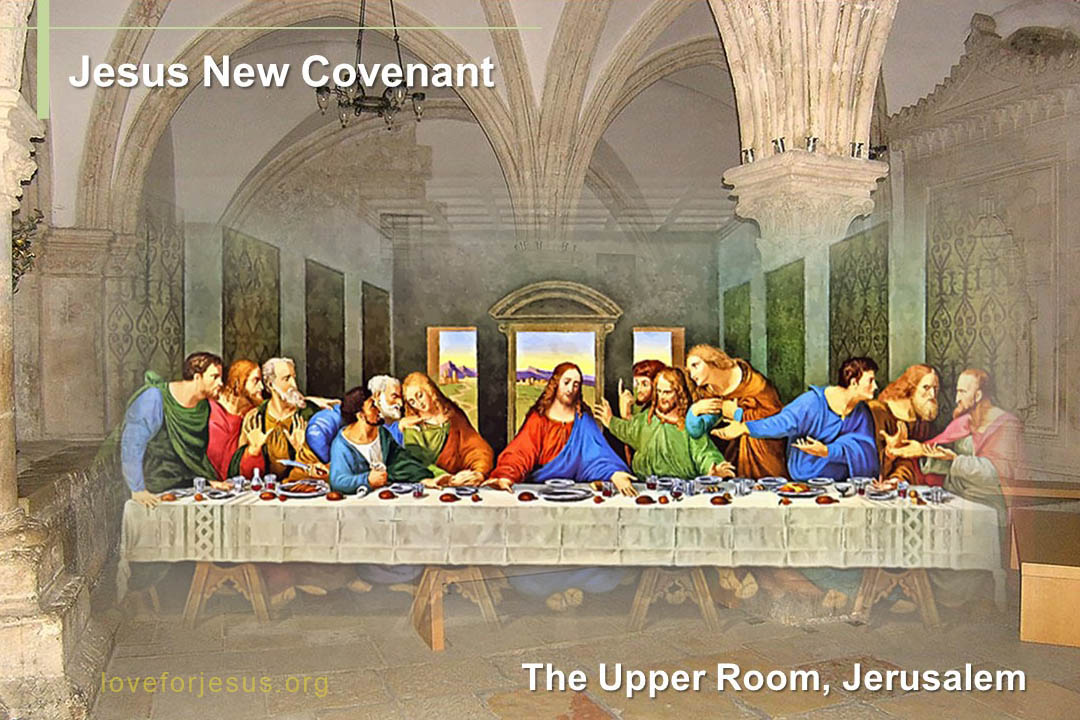
After King David died, his son Solomon became king and built a temple for God (1 Kgs. 5:5). The nation of Israel was peaceful and prosperous (1 Kgs. 4:20-21). But in his later years, Solomon ignored the warnings of the prophets, married foreign women and turned to worshipping other gods (1 Kgs. 11:1,3-4,11). After Solomon’s death, the Kingdom of Israel was divided into the Southern Kingdom of Judah and the Northern Kingdom of Israel. The two kingdoms were at odds with each other. When the land lay in ruins, the prophet Jeremiah foretold that God would make a new covenant with His people and write the law on their hearts (Jer. 31:31-33). History tells us that Jesus, sent by God the Father, atoned for our sins (Rom. 8:3; Gal. 4:4-5) and made a new covenant through His blood on the cross (Luke 22:19-20; Mt 26:28). Those who accept Jesus’ salvation are justified by faith (Gal. 3:13-14; Heb. 9:15), fulfilling the prophecy of Jeremiah.
09
Eternal Covenant
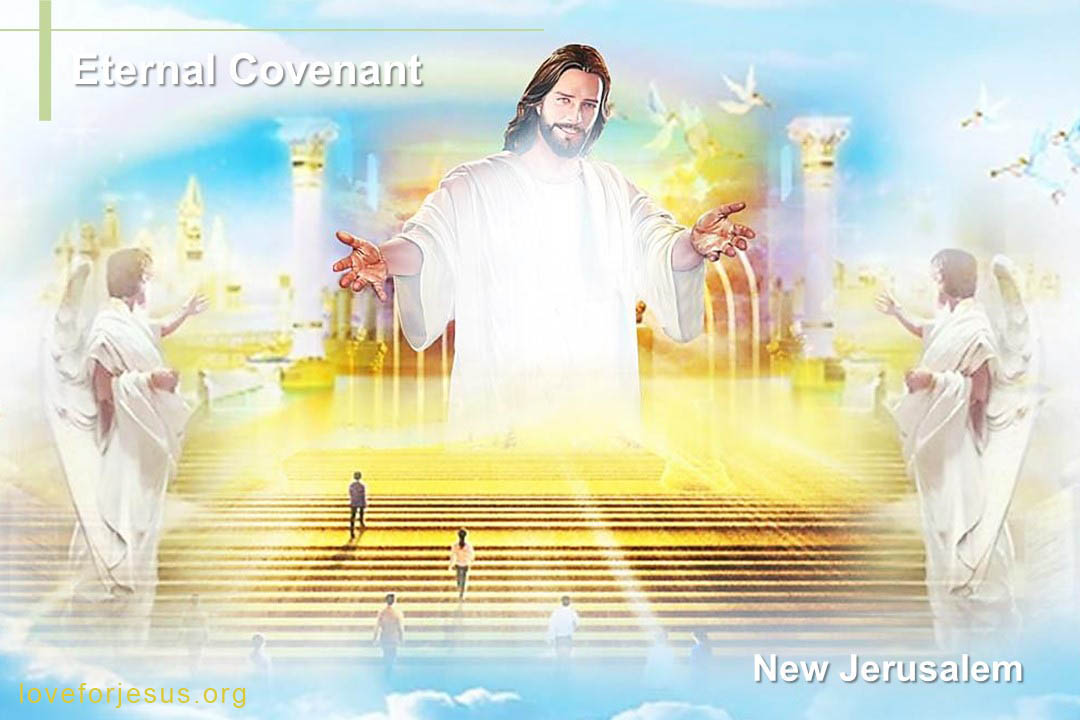
God made covenants with man to establish an intimate and eternal father-son relationship and to demonstrate His fatherly love and grace, for man is created in God’s own image (Gen. 1:27). God gives man free will in the hope that through sanctification man will voluntarily belong to Him. God made a covenant of salvation in eternity before the creation of the world. He chose His people (Eph. 1:4-6; 1 Cor. 2:7) to establish an eternal kingdom on earth (Eph. 1:7-11) through His Son Jesus and the children of God sanctified in Christ, so that God can dwell with humanity forever (Rev. 21:1-4; 22:5). Jesus said: I am the Way, the Truth and the Life (John 14:6). Jesus’ redemption fulfilled all the covenants God had made. When He said "It is finished" on the cross, God's eternal covenant with man was fulfilled (John 17:4). When Jesus returns to complete the final Judgement (Rev. 15:2-4), God's ultimate purpose for creation will be accomplished.

