The Tabernacle of God
In the opening book of the Bible, Genesis, we see that God began His plan of salvation immediately after the Fall of Adam and Eve in the Garden of Eden. The Bible records: "for Adam and his wife the Lord God made tunics of skin, and clothed them." (Genesis 3:21). God killed a lamb for the first time and clothed Adam and Eve with skins to cover their shame. This is a foreshadowing of God's salvation. The skins were taken from the slain lamb, Jesus Christ, the Lamb of God who takes away the sin of the world (John 1:29; 1 Cor. 5:7; 1 Peter 1:18-19). Sin robbed man of God's glorious presence and eternal life, and they were expelled from the Garden of Eden.
God designed the plan of salvation to bring humanity back into His eternal presence and to return to the Garden of Eden (See Love through Time and Space). This theme runs throughout the Bible. From the beginning of the Exodus in the Old Testament to the New Heaven and New Earth at the end of the New Testament, God has consistently expressed His desire to be with His people. For example, God asked Moses to build a tabernacle for Him - "And let them make Me a sanctuary, that I may dwell among them." (Exod. 25:8), and in the New Heaven and New Earth - "And I heard a loud voice from heaven saying, “Behold, the tabernacle of God is with men, and He will dwell with them, and they shall be His people. God Himself will be with them and be their God." (Rev. 21:3). God lived with people through the tabernacle in the wilderness, showing His deepest love for humanity and His desire for His people to have an intimate relationship with Him, and to enjoy His glorious presence and abundant grace (2 Cor. 6:16).
The Tabernacle of God was the sanctuary where God met and communicated with His people on earth after the fall of man (Exod. 25:21-22). It was just like in the Garden of Eden, where heaven and earth met and God was with man. It is the place filled with God’s glory (Exod. 40:34; 1 Kings 8:10-11; Rev. 21:23), where God’s presence was with His people (Lev. 26:11-12; Ezek. 37:27). The history of God’s dwelling with His people has the following seven stages as recorded in the Bible:
- Garden of Eden: Before the fall of our first ancestor, God lived with Adam and Eve in the beautiful Garden of Eden. (Exod. 1:27-29; 2:15)
- Tabernacle of Moses: After the fall of man, God asked Moses to build a tabernacle for God to dwell with His people in the wilderness. (Exod. 25:8)
- Temple of Solomon: After the children of Israel entered the promised land, Solomon built a temple for God to dwell with His people. (1 Kgs. 9:3)
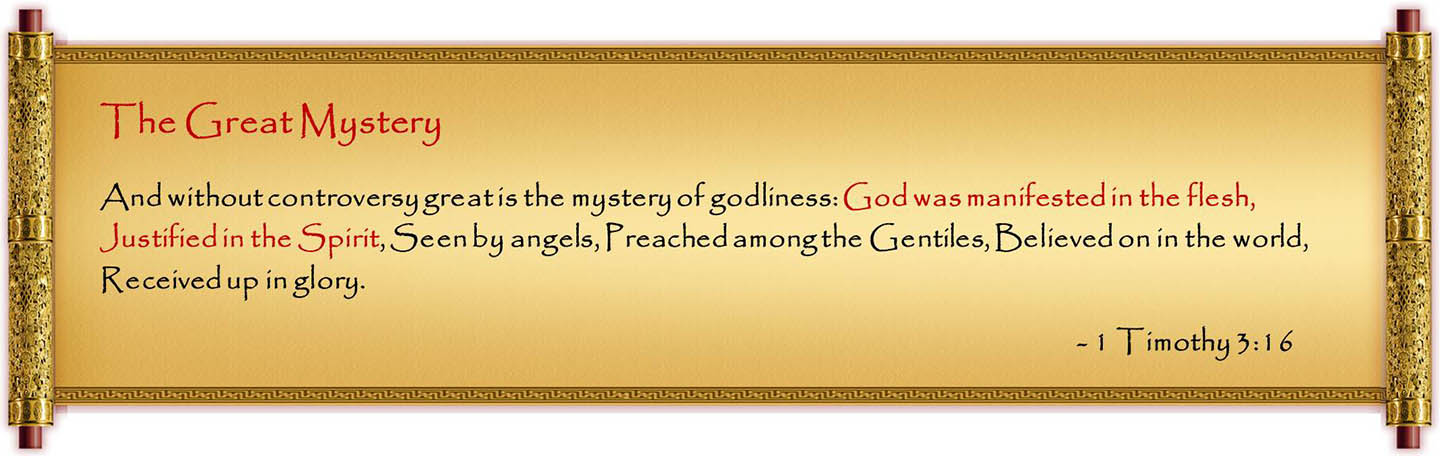
- Incarnation of Jesus: Jesus Emmanuel, God made flesh, lived among men as the image of the invisible God the Father. (1 Tim. 3:16; John 1:14)
- Descent of the Holy Spirit: After Jesus’ redemption on the cross, God the Father sent the Holy Spirit to dwell supernaturally in human hearts. (Titus 3:6-7; Rom. 8:9)
- Body of Christ: Children of God are born again in Christ, sanctified as the spiritual temple of God on earth and become the Bride of Christ. (1 Cor. 6:19-20)
- Tabernacle of God: Jesus will return to marry the Bride of Christ - the New Jerusalem - and heaven, earth and man will all become One with God in Christ in the New Heaven and New Earth. (Heb. 11:16; Eph. 1:10)
There are no coincidences for God the Father. Everything is in God’s perfect plan and design. The tabernacle of Moses and its holy objects are images and foreshadows of the heavenly tabernacle “New Jerusalem”, which is not made by human hands and is not of this world (Heb. 8:5; 9:11; Rev. 21:2-3). It encapsulates the history of God's deliverance of the children of Israel from slavery in Egypt and their entrance into the Promised Land. It is the shadow of the Lord Jesus' deliverance of the world from the bondage of sin and our entrance into the “new heavens and new earth”.
The mystery of the tabernacle of God is the revelation of the Lord Jesus and the salvation of God, for the mystery of God is Christ, “…to the knowledge of the mystery of God, both of the Father and of Christ, in whom are hidden all the treasures of wisdom and knowledge.” (Col. 2:2-3), and “For in Him dwells all the fullness of the Godhead bodily.” (Col. 2:9). It’s just as the Bible says: “For the law was given through Moses, but grace and truth came through Jesus Christ. No one has seen God at any time. The only begotten Son, who is in the bosom of the Father, He has declared Him.” (John 1:17-18). The tabernacle is embodiment of Jesus, who died and resurrected to give birth to the Sons of God body of Christ, a new creature in Jesus Christ, the spiritual tabernacle of God.
When God called Moses, He said to him: "I AM WHO I AM" (Exod. 3:13). "I AM" is the name of God in the Old Testament. It means that God is self-existent, beyond time and space, eternal and unchanging. The Lord Jesus is the true image of the invisible God the Father (Heb. 1:3; Col. 1:15). He fully manifests God in Him (John 1:18), just as Jesus Himself said ‘I AM’ as shown below. When Jesus spoke to the Pharisees, He said to them, “Most assuredly, I say to you, before Abraham was, I AM.” (John 8:56–59)
Jesus - The True Tabernacle
According to God's strict instructions, the structures of both Moses' Tabernacle and Solomon's Temple were divided into three parts: Outer Court (Bronze Altar and Brass Laver), Holy Place (Table of Showbread, Gold Lampstand, Altar of Incense), and Holy of Holies (Ark of the Covenant). Each object and design represented God's plan of salvation and preparatory work of Jesus’ redemption, as shown below.
The tabernacle of Moses (Heb. 8:5; 9:11)
- The Earthly Tabernacle signifies Jesus Immanuel, God is with us (Matt. 1:23).
- The Ark of the Covenant signifies the incarnate Jesus who lives among us (John 1:14).
- The Altar of Incense signifies that Jesus is our Mediator who intercedes for us (1Tim 2:5; Rev 8:3).
- The Golden Lampstand signifies that Jesus is the light of life for those in darkness (John 1:4-5,9).
- The Altar of Burnt Offering signifies Jesus' death on the cross as a sacrifice for sins (Eph. 5:2).
- The Bronze Laver signifies Jesus’ blood cleansing the world from sin (1 Pet. 1:19).
- The Veil signifies that Jesus' body is the bridge to God (Heb. 10:19-20).
- The Table of Shewbread signifies that Jesus is the bread of eternal life (John 6:35).
- The Heavenly Tabernacle signifies the New Jerusalem – God’s eternal tabernacle in the New Heaven and New Earth (Rev. 21:3).
Jesus as the true tabernacle (John 2:19,21-22; Mark 14:58)
- I AM Christ, the Son of God (John 8:28; Mark 14:61-62; John 17:5).
- I AM the resurrection and the life. He who believes in Me shall have eternal life (John 11:25).
- I AM the true vine. God the Father is the vinedresser (John 15:1,3,7).
- I AM the light of the world. Whoever follows Me will have the light of life (John 8:12; 12:46).
- I AM the good shepherd. Who lays down His life for the sheep (John 10:11).
- I AM the door. Whoever enters through Me will be saved (John 10:9-10).
- I AM the way, the truth, and the life. No one comes to the Father except through Me (John 14:6).
- I AM the bread of life. Whoever comes to Me shall never hunger (John 6:35).
- I AM the Alpha and the Omega. Who is and who was and who is to come, the Almighty (Rev 1:8; 22:13).
The Holy of Holies is the place where the presence of the holy God rested. It is the most holy psart of the tabernacle, separated from the rest of the tabernacle by the veil. Sin is the barrier between man and God. The holy God could not be approached by sinful man, and the Holy of Holies was accessible only to the anointed High Priest. Once a year, on the Day of Atonement, the High Priest can enter the Holy of Holies with the blood of a sacrificial animal to atone for his own sins and those of the people (Heb. 9:2-7). The Lord Jesus became the sacrificial lamb, and used His body and His own blood to atone for our sins so that we can enter the Holy of Holies at any time (Eph. 2:13-16). As Paul said: "Therefore, brethren, having boldness to enter the Holiest by the blood of Jesus, by a new and living way which He consecrated for us, through the veil, that is, His flesh." (Heb. 10:19-20). (See Blood on the Mercy Seat)
In God’s plan of salvation, Jesus Christ was born to die (Rom. 5:21). The Lord Jesus, Immanuel (God is with us), became flesh and lived among us to be the mediator between us and God, transferring us from darkness into light. Jesus is the Good Shepherd, who laid down His life on the cross as an atoning sacrifice for our sins, and cleansed us from our sins by His precious blood, so that we can enter the Holy of Holies and return to the presence and glory of God the Father. The Lord Jesus is the Alpha and the Omega, the Way, the Truth and the Life. He is the Light of the world and the Bread of Life. Whoever believes in Jesus will be born again into the Kingdom of God, and will no longer be subject to the dominion of sin and death, but will enjoy eternal life in Christ (2 Cor. 5:17,21; Heb. 2:14).
Today, the tabernacle of Moses and the Jerusalem Temple no longer exist. Jesus fulfilled God’s plan of salvation at His first coming. All believers who have been sanctified by the blood of Jesus have been built into the life of Jesus by God the Father, becoming the spiritual temple – the Body of Christ, where God dwells on earth through the Holy Spirit (1 Cor. 3:16; Eph. 2:19-22). When the last trumpet sounds, the Lord Jesus will come back to welcome His Bride to His glorious Kingdom (See The Marriage Supper of the Lamb). We will reign with Him in the Millennial Kingdom and the New Heaven and New Earth (Rev. 5:9-10; 20:4). Then we will live with God the Father forever in eternity – “And I heard a loud voice from heaven saying, “Behold, the tabernacle of God is with men, and He will dwell with them, and they shall be His people. God Himself will be with them and be their God.” (Rev. 21:3).