Via Dolorosa
Over two thousand years ago in Jerusalem, the Lord Jesus carried a heavy cross and walked step by step through the streets towards His crucifixion. He was crucified at Golgotha, just outside the city. Throughout history, believers have commemorated Jesus' suffering in different ways. The Via Dolorosa, marked by 14 Stations of the Cross in the Old City of Jerusalem, aims to describe and recreate the whole course of events recorded in the Bible, from the trial and condemnation (Matt. 27:1-2, 26), to the scourging and mocking of Jesus (John 19:1-3), the carrying of His cross to the place of crucifixion (John 19:17), and finally His crucifixion on Calvary (Luke 23:44-46).
However, we must be very clear that the crucifixion of Jesus was God's plan to save the world (I Pet. 2:24). Jesus had to take the 'Way of Suffering' because He was born to die for us on the Cross (John 17:4-5). As Jesus Himself said, “No one takes it from Me, but I lay it down of Myself. I have power to lay it down, and I have power to take it again. This command I have received from My Father.” (John 10:18). Jesus was resurrected three days after His crucifixion (Matt 16:21) and ascended to heaven 40 days later (Acts 1:3; 2:23-28). Following Jesus’ footsteps on the ‘Way of Suffering’ is to experience the ‘Salvation of the Cross’ through Jesus’ crucifixion and resurrection. Jesus' suffering paved the way for us to return to God through His broken body and precious blood(2 Cor. 5:21; Heb. 10:19-20)! That is why Jesus said, "I am the way, the truth, and the life. No one comes to the Father except through Me" (John 14:6).
There are different versions of the Stations of the Cross in history. The current traditional route began with the Franciscans who administered the Holy Land in Jerusalem in the 14th century, and was revised by the Pope in the 17th century. The 14 stations of the Way of Suffering, each with a numbered brass plaque (except for the last four stations), contain episodes from the Bible, as well as traditional stories of Jesus' three falls on the way, His encounter with His mother and the woman wiping the Lord's face, to commemorate the redemption process of the Lord Jesus who bore the sins of the world and laid down His life on the Cross as an atoning sacrifice for our sins.
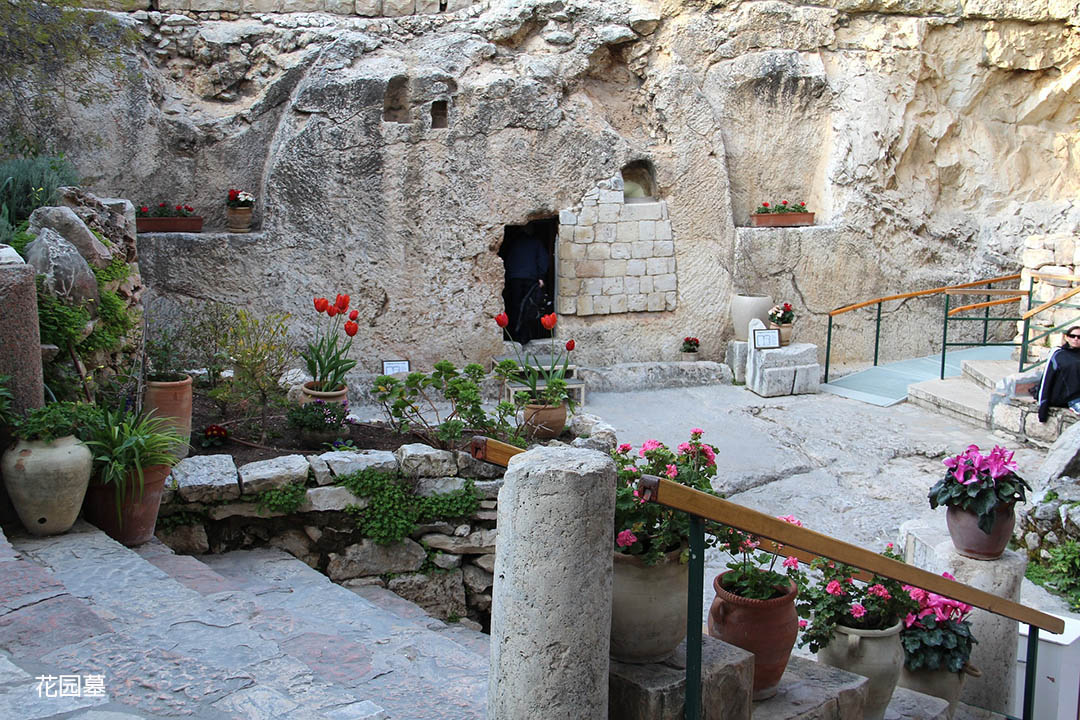
It is worth noting that the last four stations are now located in the ‘Church of the Holy Sepulchre’. However, according to the Bible, Jesus was crucified on Calvary. After the crucifixion, Jesus was buried in a nearby rock tomb (John 19:41-42; Matt. 27:60), now known as the ‘Garden Tomb’ near the Old City of Jerusalem. Archaeologists have confirmed this view, which we will discuss more in detail at the final station.
Station 1: Jesus Condemned to Death
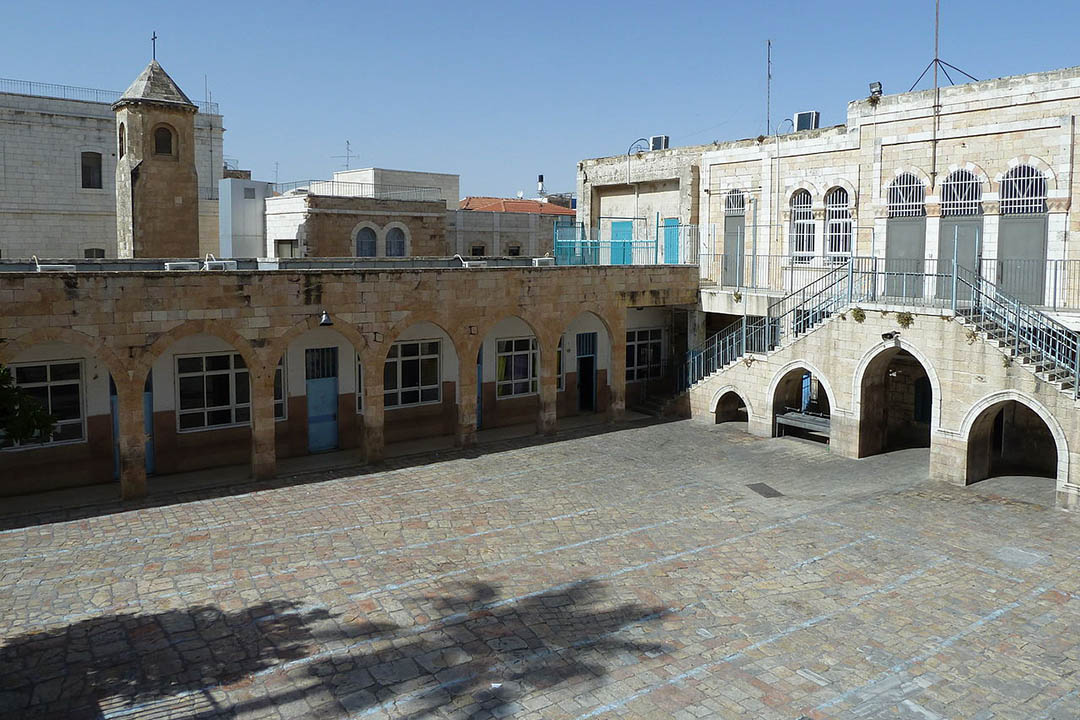
After Jesus was arrested, the Jewish Sanhedrin turned Him over to the governor Pilate, and demanded that Jesus be executed (Matt. 27:1-2). Pilate held a public trial of Jesus at the Fort Antonia (now El-Omariya School in Jerusalem) and wanted to release Jesus (Luke 23:13-16). The crowd shouted in unison, demanding the release of the murderer Barabbas and the crucifixion of Jesus (Luke 23:18-21). But who would have thought that Jesus being judged and condemned was the fulfilment of the Father's will? "All we like sheep have gone astray; We have turned, every one, to his own way; And the Lord has laid on Him the iniquity of us all. "(Isa. 53:6)
Station 2: Jesus Scourged and Receives His Cross
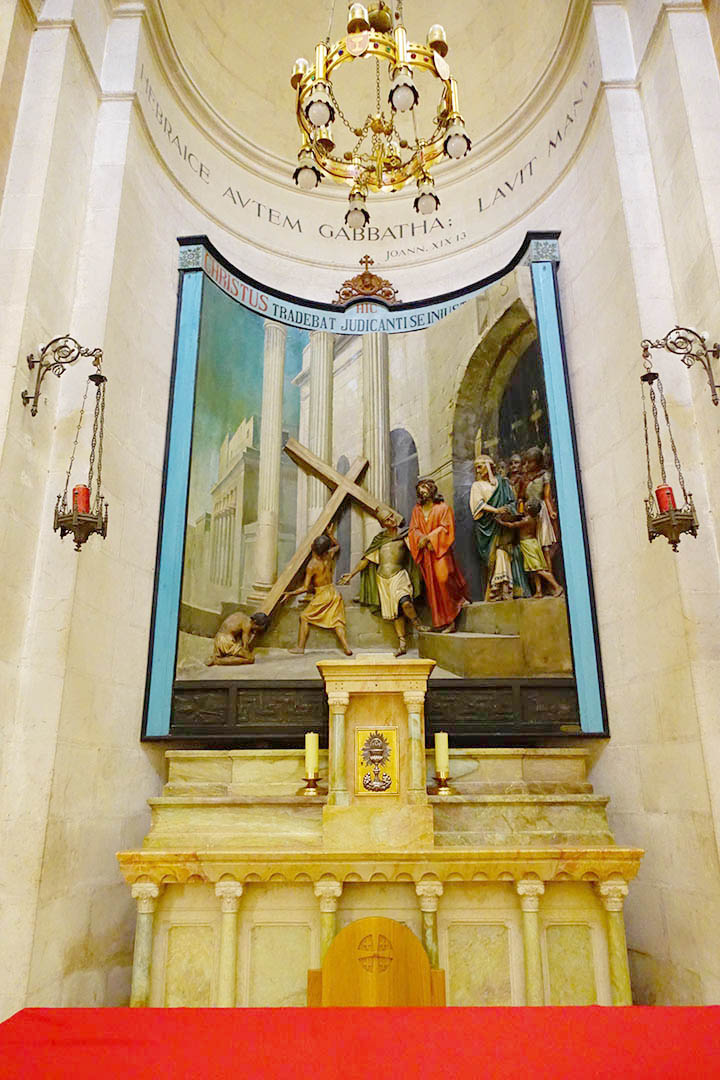
The second station is the place where Jesus was scourged with spiked whips by Roman soldiers. Two Franciscan churches were built here: the Church of the Condemnation and the Church of the Flagellation (Matt. 27:24-26). After the Roman soldiers scourged Jesus, they mocked Him by dressing Him in a purple robe and a crown of thorns (Matt. 27:27-31). Then they made Him carry the cross to the place of crucifixion (John 19:17). “Surely He has borne our griefs and carried our sorrows; Yet we esteemed Him stricken, smitten by God, and afflicted. But He was wounded for our transgressions, He was bruised for our iniquities; The chastisement for our peace was upon Him, and by His stripes we are healed.”(Isa. 53:4-5)
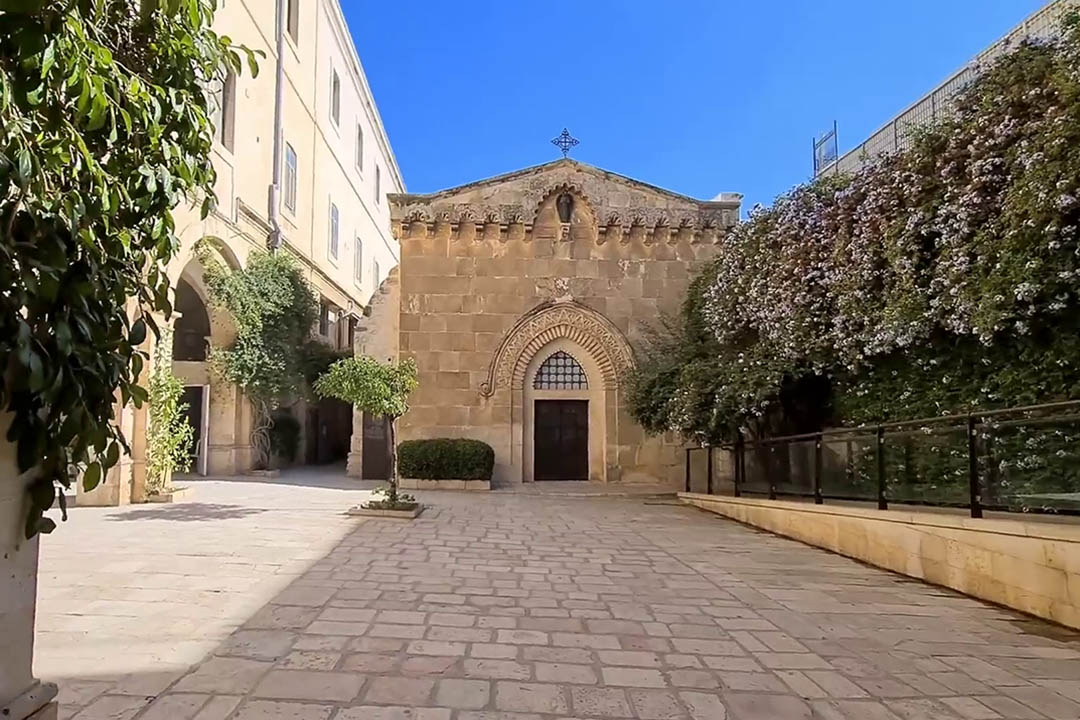
Station 3: Jesus Falls the First Time
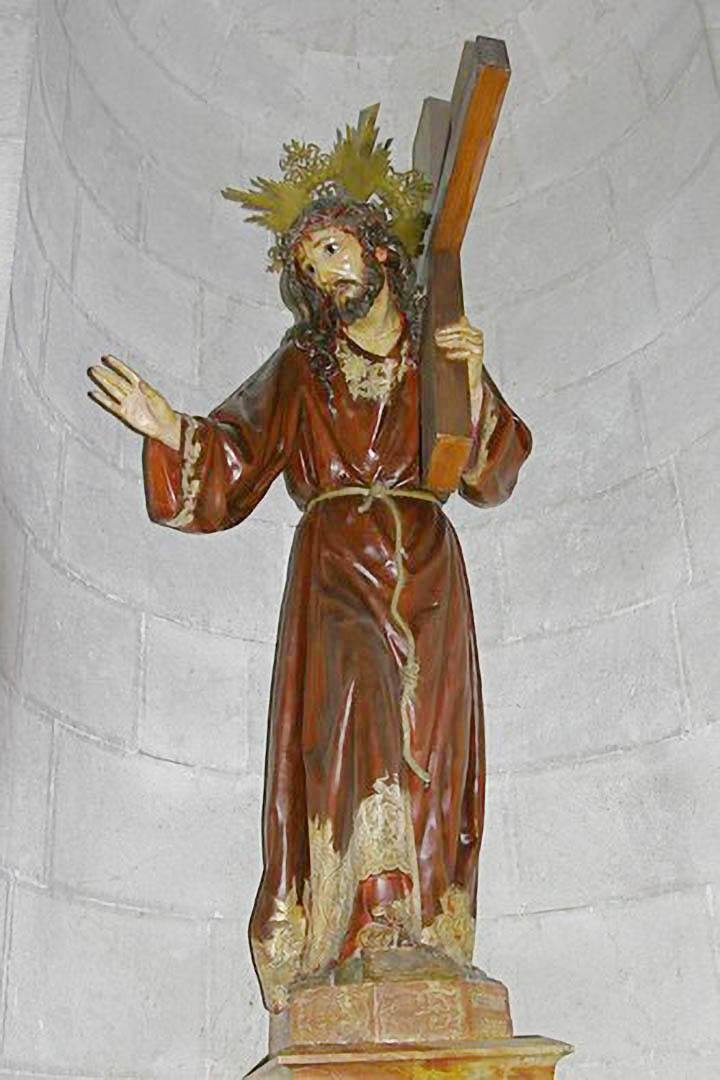
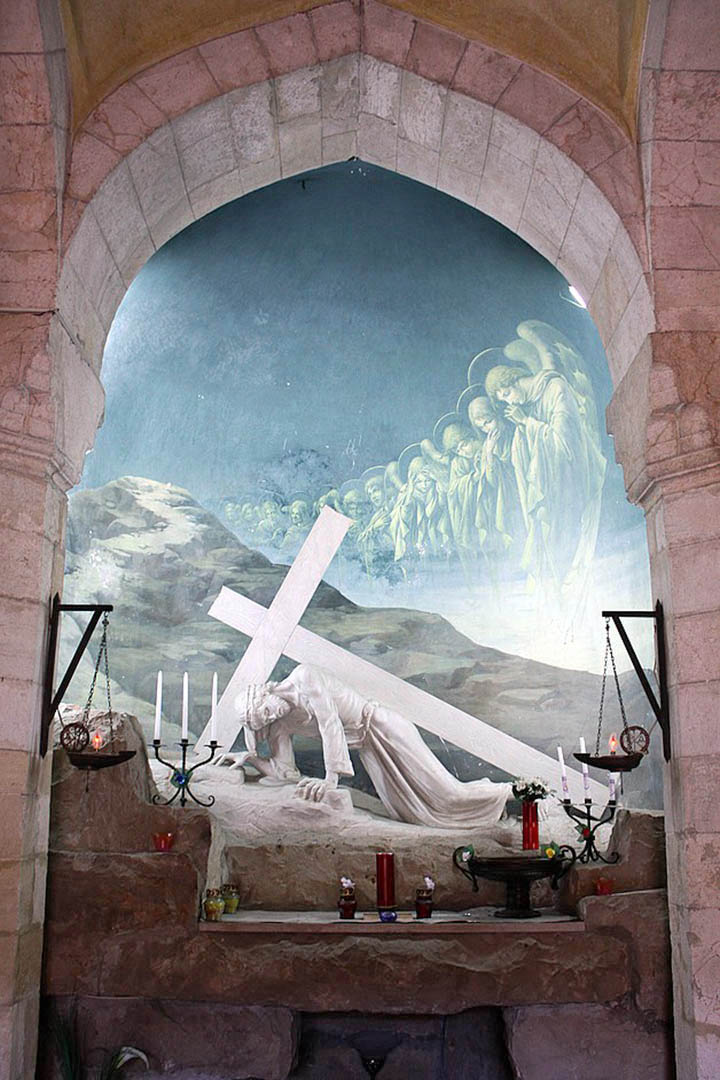
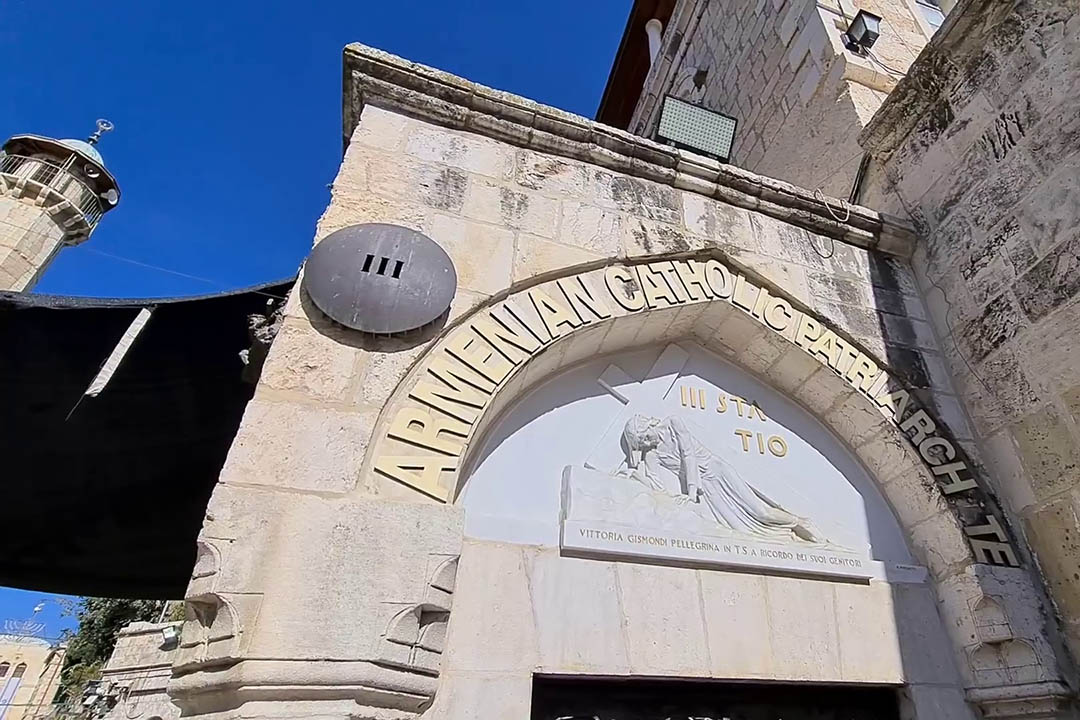
This is the place where, according to tradition, Jesus fell for the first time after being severely scourged and carrying the heavy cross on His own. It is now commemorated by the Armenian Catholic Chapel, which has a carving of Jesus falling with the cross on his back. Although there is no clear record of this event in the Bible, it is easy to imagine the difficulty of the severely injured Jesus staggering forward with the heavy cross. As the prophet Isaiah prophesied about Jesus’ crucifixion more than 700 years before Jesus was born, “He is despised and rejected by men, a Man of sorrows and acquainted with grief. And we hid, as it were, our faces from Him; He was despised, and we did not esteem Him.” (Isa. 53:3)
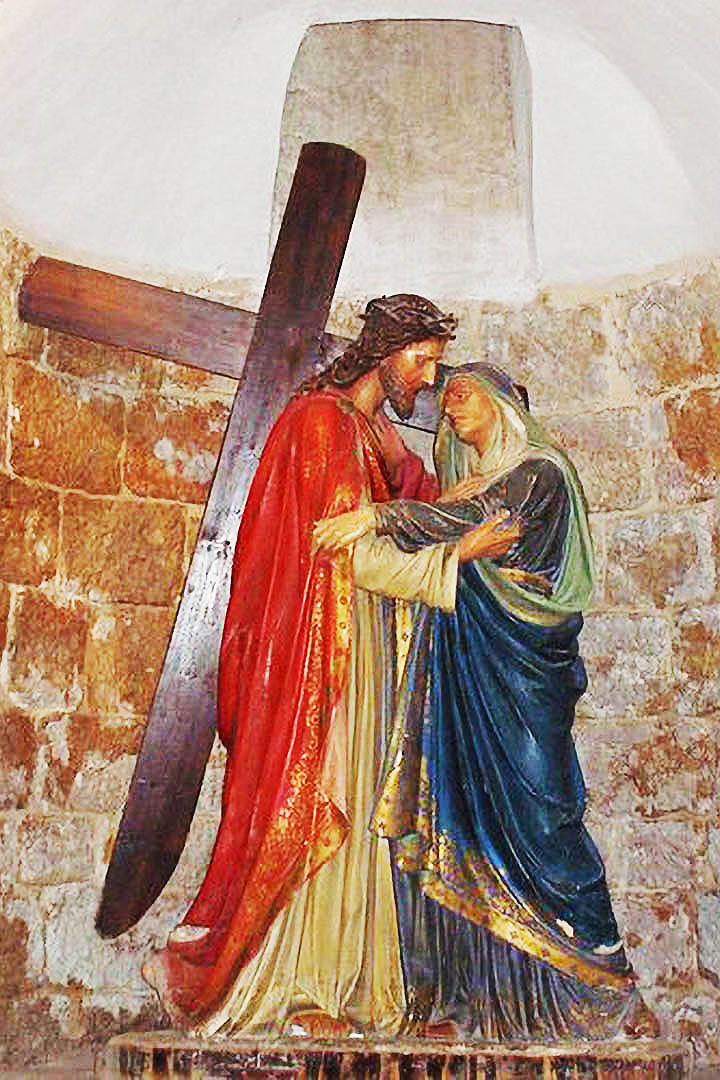
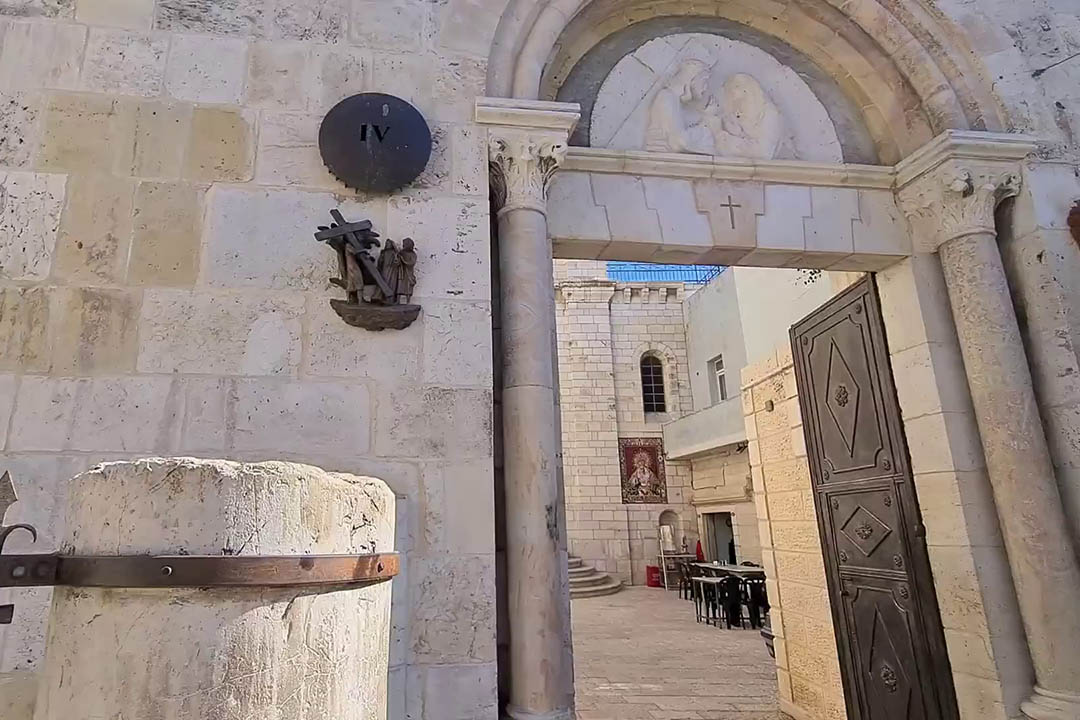
Station 4: Jesus Meets His Mother
The fourth station is traditionally believed to be where the Lord Jesus met His mother Mary when He was carrying the cross. Its door is engraved with Mary holding the hand of Jesus carrying the cross. Seeing her innocent son being condemned to death by crucifixion pierced the mother's heart. Just as Simeon prophesied to Mary after the birth of Jesus, "Then Simeon blessed them, and said to Mary His mother, ‘Behold, this Child is destined for the fall and rising of many in Israel, and for a sign which will be spoken against, (yes, a sword will pierce through your own soul also), that the thoughts of many hearts may be revealed.’" (Luke 2:34-35)
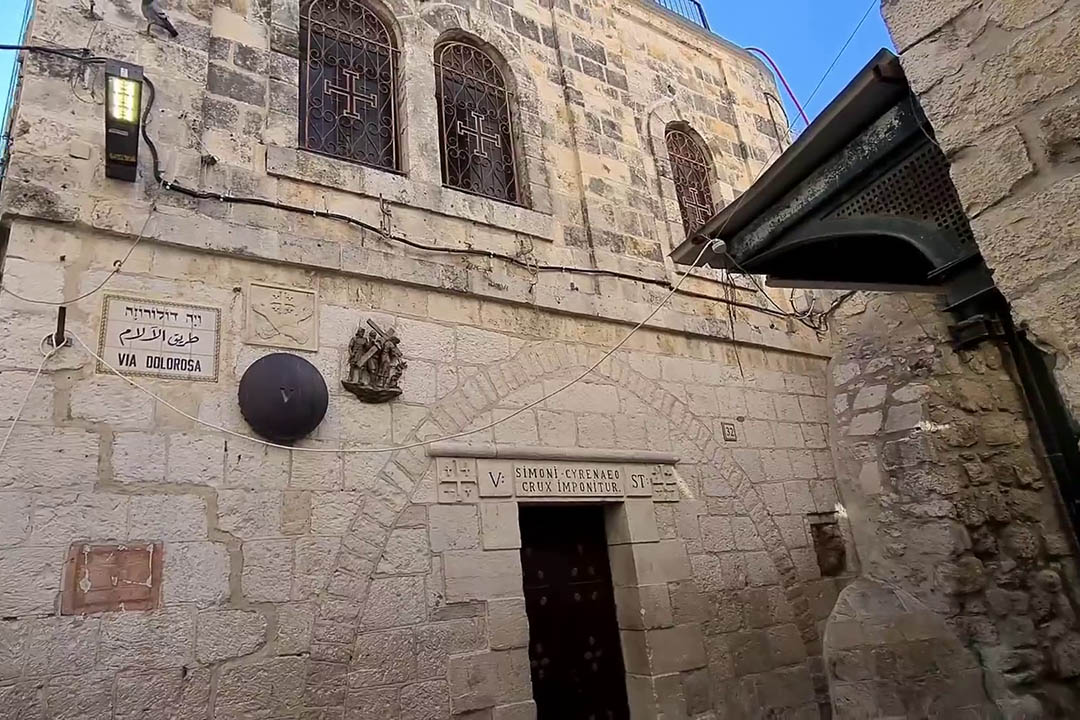
Station 5: Simon Helps Carry the Cross
Jesus was arrested in the Garden of Gethsemane after the Passover meal with his disciples (John 18:2-4). He was tried several times throughout the night. In the morning, He was whipped, severely beaten, and humiliated by wearing a crown of thorns. He was so wounded that He could not walk with the heavy cross on His back. Fortunately, Simon of Cyrene who was passing by was forced by the Roman soldiers to help Jesus carry the cross (Mark 15:21). The fifth station commemorates Simon helping Jesus carry the Cross. There is a small Franciscan chapel built here, and on the right of the door is a handprint, which is said to be the position where Jesus supported himself with his hands on the road.

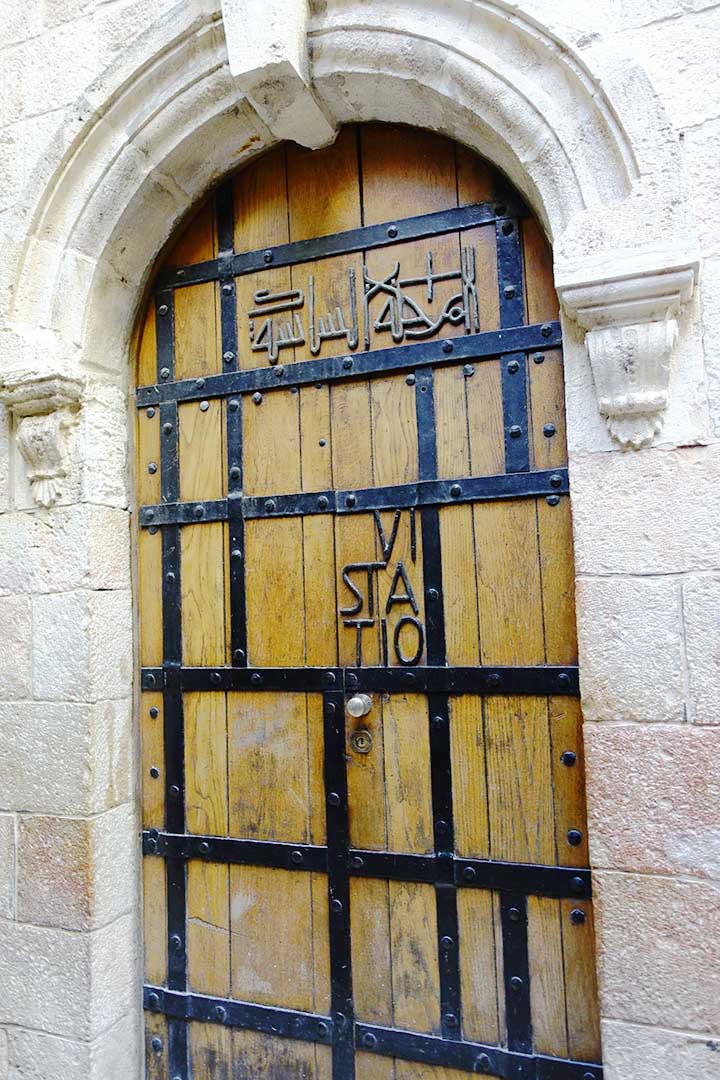
Station 6: Veronica Wipes Jesus’ Face
The sixth station is said to be where a sister named Veronica used her headscarf to wipe the blood and sweat from the face of Jesus on the Via Dolorosa, and the headscarf was imprinted with Jesus' face. In 1883, Greek Catholics purchased the site and built the Church of the Holy Face and the Church of St. Veronica as a memorial. They are usually closed to the public. The Bible does not record this event, but it does record that many people who knew Jesus and women who followed Him from Galilee were present at the time (Luke 23:49).
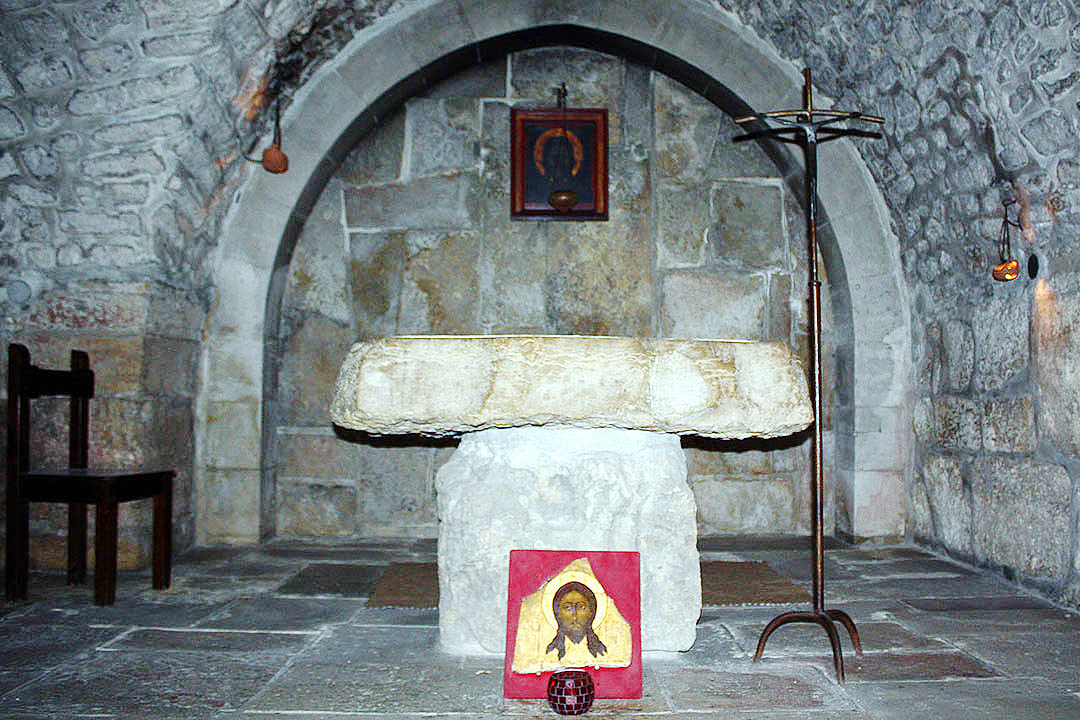
Station 7: Jesus Falls the Second Time
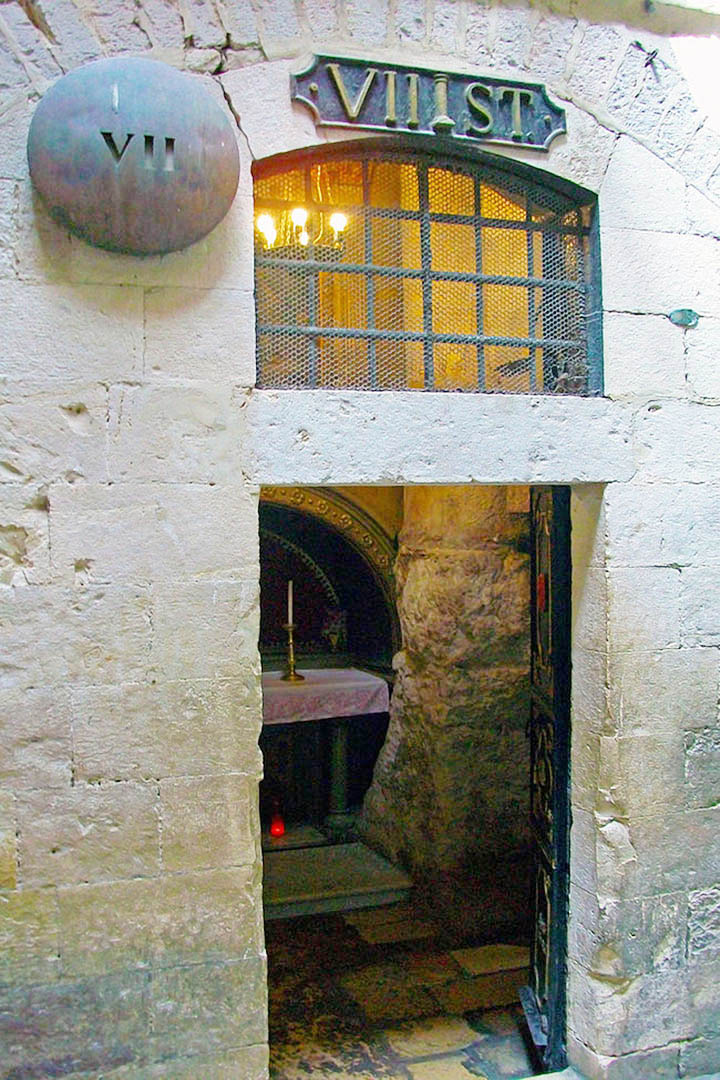
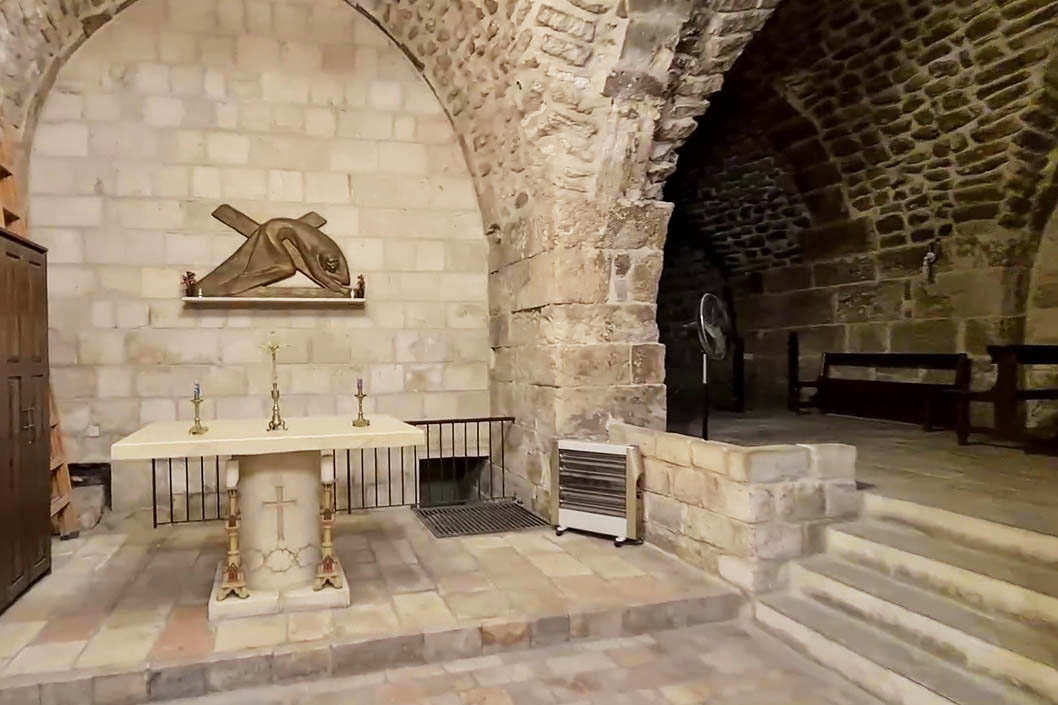
Jesus was crucified on Calvary. Even with Simon’s help, it was very difficult for Jesus to walk uphill with a heavy load and serious injuries. The seventh station is traditionally believed to be where Jesus fell for the second time. A Franciscan chapel was built there. The site was outside the city of Jerusalem in the first century when Jesus was crucified. Jesus not only carried the heavy cross, but also the heavy burden of the sins of the world (Isa. 53:6; John 1:29)! "For my loins are full of inflammation, and there is no soundness in my flesh. I am feeble and severely broken; I groan because of the turmoil of my heart...My heart pants, my strength fails me; As for the light of my eyes, it also has gone from me."(Ps. 38:7-10)
Station 8: Jesus Speaks to the Women
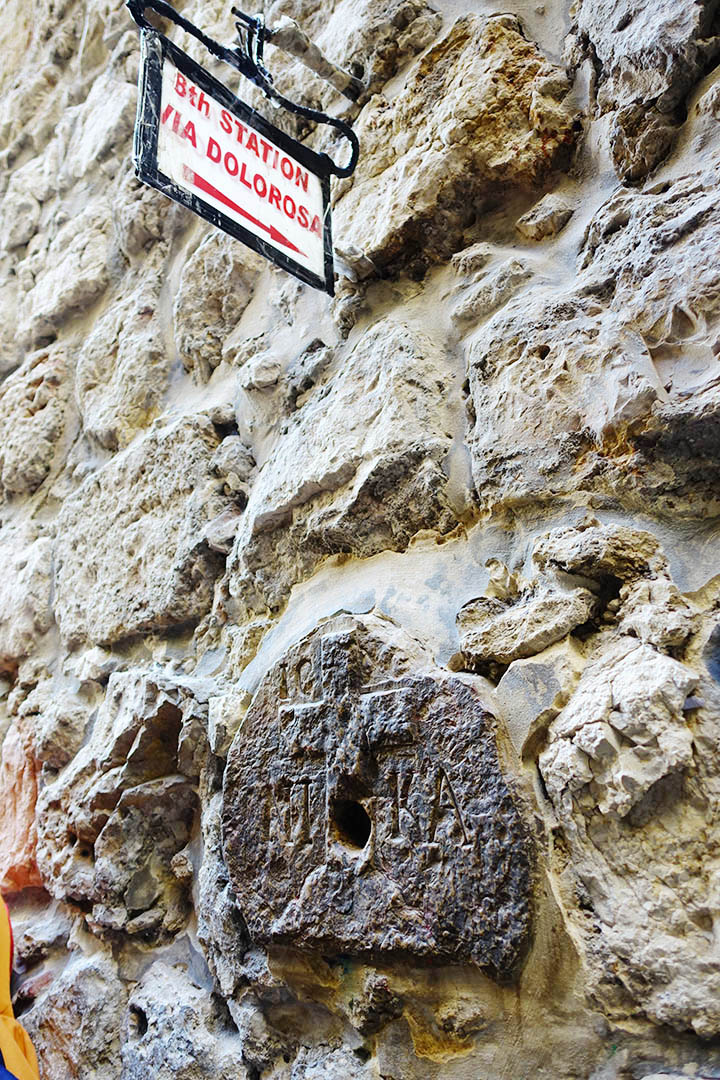
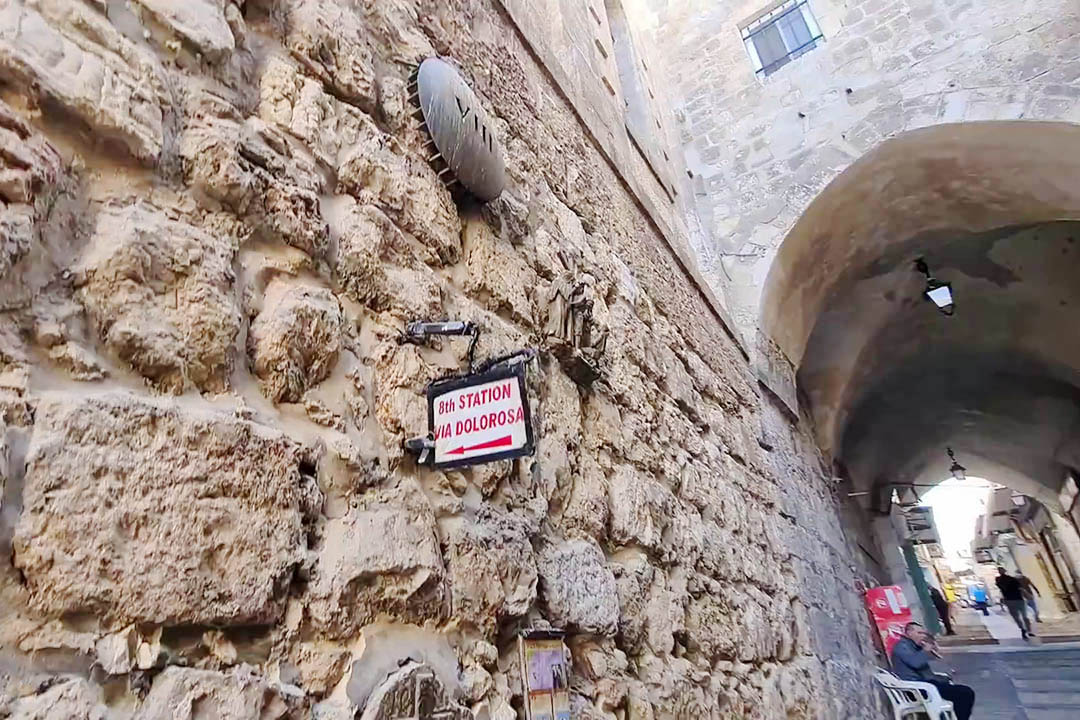
The inscription on the wall of the eighth station commemorates the words that Jesus said to the women of Jerusalem. The Bible records that, "And a great multitude of the people followed Him, and women who also mourned and lamented Him. But Jesus, turning to them, said, ‘Daughters of Jerusalem, do not weep for Me, but weep for yourselves and for your children...’" (Luke 23:27-28). Jesus was foretelling the coming disaster in Jerusalem. The Lord also wept for Jerusalem before His crucifixion (Luke 13:34-35). In 70 AD the Roman legions trampled the Holy City, burned the Temple, and the Jews were exiled to the whole world (Hos. 10:8-10).
Station 9: Jesus Falls the Third Time
The ninth station is traditionally believed to be the place where Jesus fell for the third time when He carried the cross to Calvary. An Orthodox church has been built here as a memorial, just outside the wall of the Church of the Holy Sepulchre. “For He shall grow up before Him as a tender plant, and as a root out of dry ground. He has no form or comeliness; And when we see Him, there is no beauty that we should desire Him. Yet it pleased the Lord to bruise Him; He has put Him to grief. When You make His soul an offering for sin ... He shall see the labor of His soul, and be satisfied. By His knowledge, my righteous Servant shall justify many, for He shall bear their iniquities. ”(Isa. 53:2,10-11)
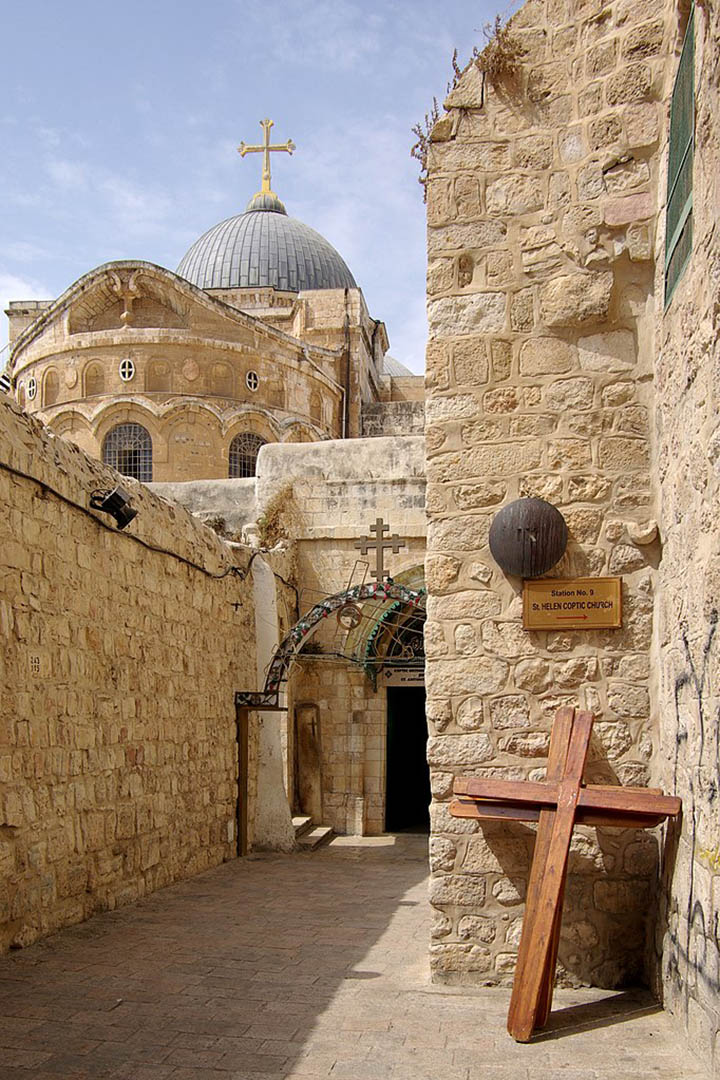
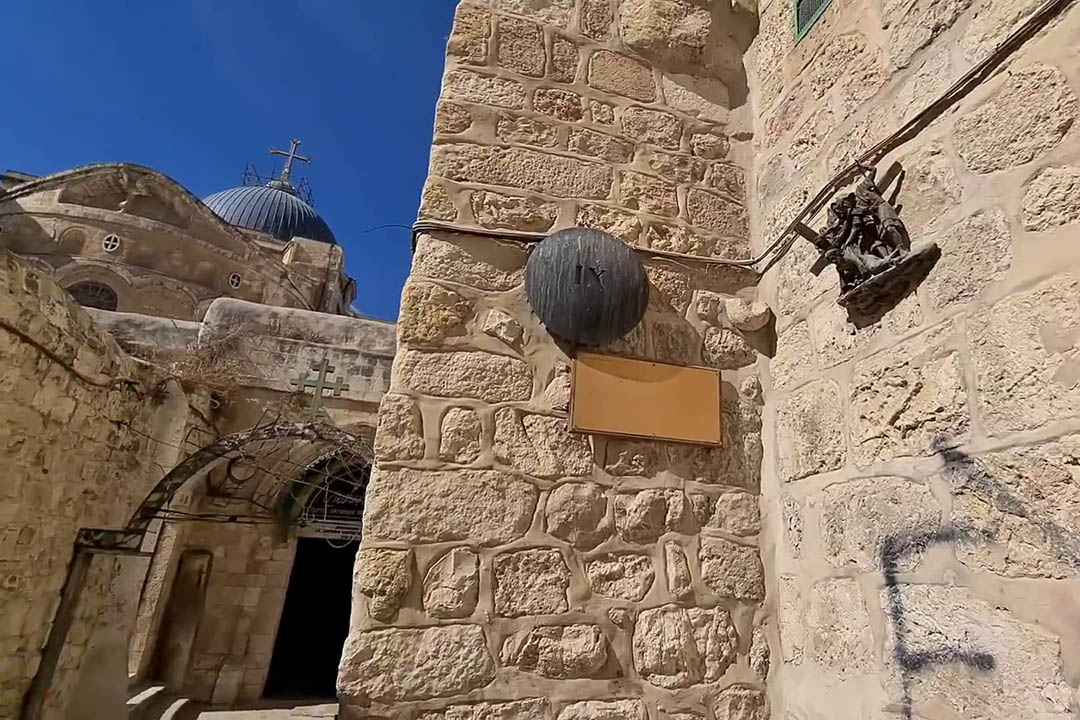
Station 10: Jesus Stripped off Garments
In ancient Rome, condemned prisoners were crucified naked. The tenth station is traditionally believed to be the place where the Roman soldiers stripped Jesus of his garments and divided his clothes by lot before the crucifixion (John 19:23-24), fulfilling the prophecy of King David (Ps. 22:18). It is located on the right side of the entrance to the Church of the Holy Sepulchre, in the Chapel of the Franks with a small blue dome, up the stairs. The 10th to 14th stations of the Via Dolorosa all took place on Calvary, outside the city of Jerusalem according to the Bible (Luke 23:33). Today, these events are traditionally commemorated in the Church of the Holy Sepulchre.
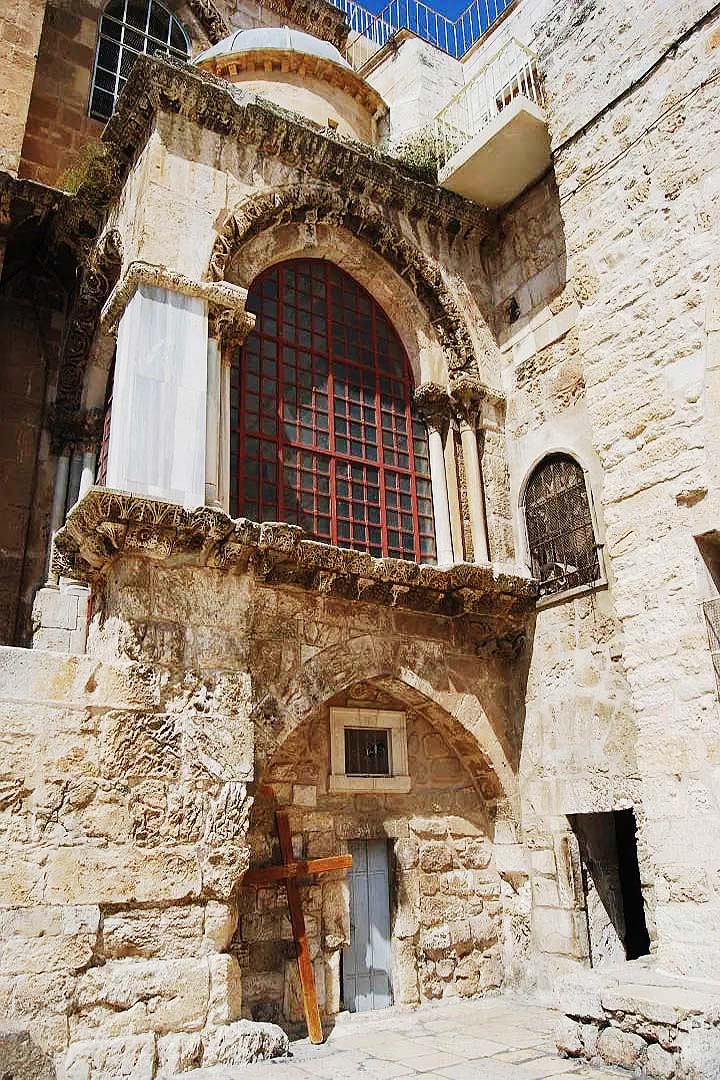
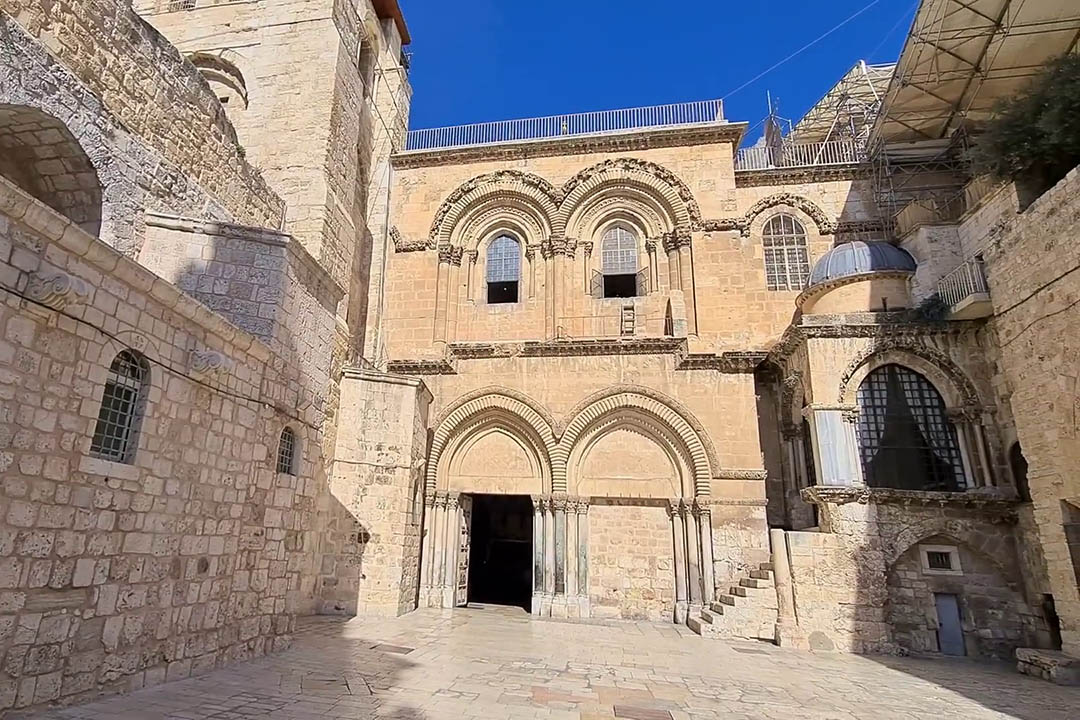
Station 11: Jesus Nailed to the Cross
The eleventh station is on the first floor of the Church of the Holy Sepulchre, where the Franciscans set up an altar here to commemorate the crucifixion of the Lord Jesus by the Roman soldiers who pierced His hands and feet with long nails. “And when they had come to the place called Calvary, there they crucified Him…. Then Jesus said: ‘Father, forgive them, for they do not know what they do.’” (Luke 23:33-34). How painful it must have been to have long nails driven through His hands and feet! But Jesus did not complain or hate. Instead, He forgave and blessed those who humiliated and tortured Him! “How shall we escape if we neglect so great a salvation?" ’(Heb. 2:3)
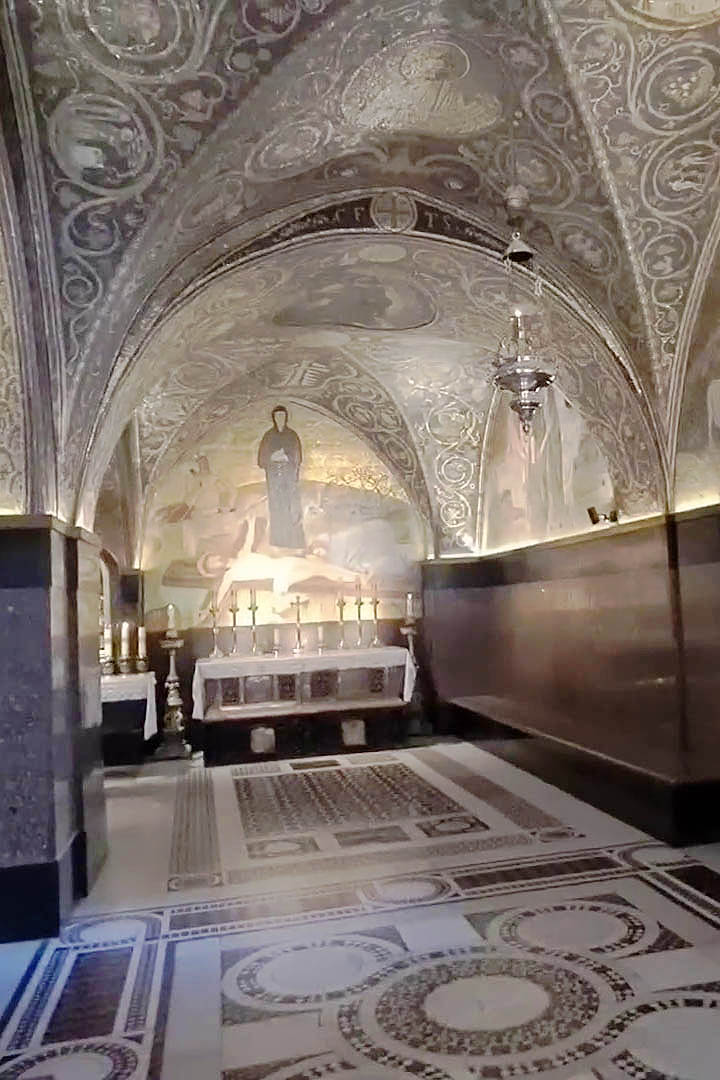

Station 12: Jesus Dies on the Cross
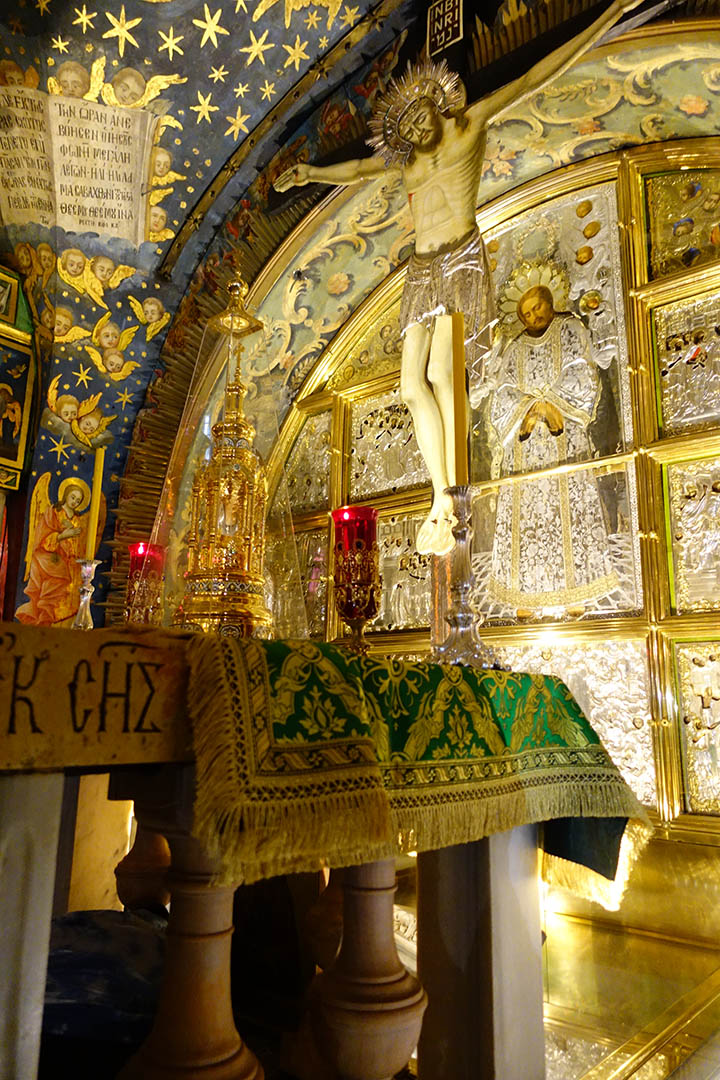
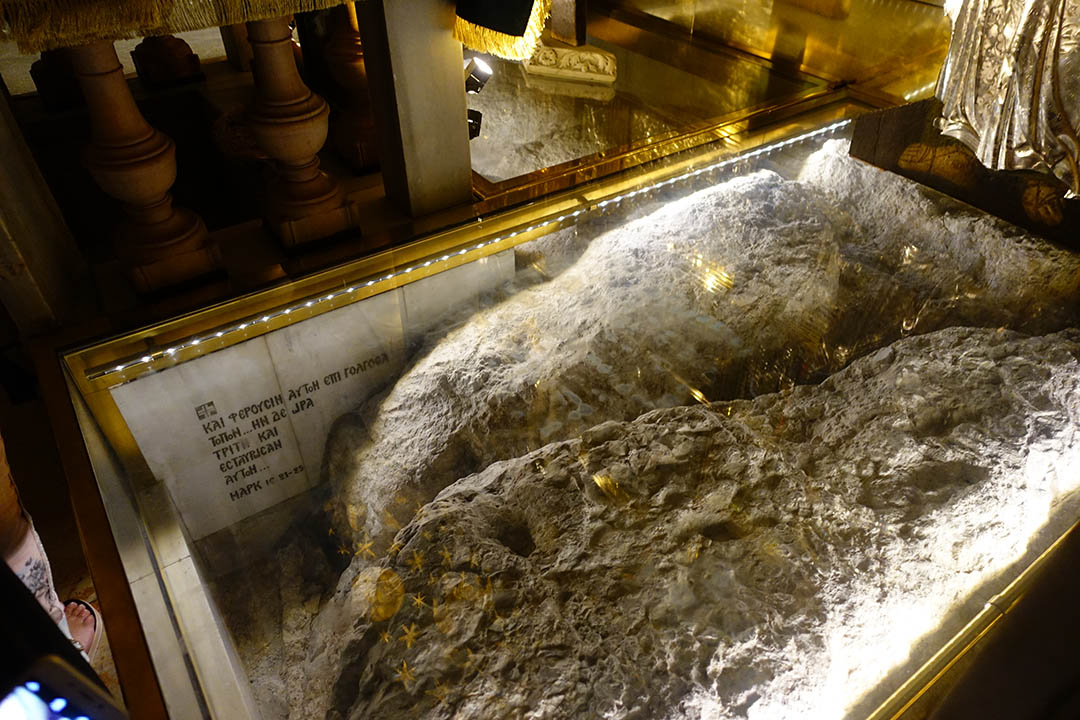
On the first floor of the Church of the Holy Sepulchre, in the centre of the altar, hangs the statue of Jesus crucified on the cross. Under the altar table in front of the crucifixion, there is a silver star which marks the spot where Jesus' cross is traditionally believed to have been inserted, and next to it is displayed the rock which was split by the great shaking of the earth at that time. “Now from the sixth hour until the ninth hour there was darkness over all the land. ... And Jesus cried out again with a loud voice, and yielded up His spirit. Then, behold, the veil of the temple was torn in two from top to bottom; and the earth quaked, and the rocks were split.” (Matt. 27:45-46,50-51) The crucifixion of the Lord Jesus tore the veil of the temple in two, removing the barrier of sin between God and man. The Lord used His body to open the passage through the veil, so that all believers can come to the Mercy Seat of God the Father in the Holy of Holies at any time and in any place (Heb. 10:19-20).
Station 13: Jesus is Taken from the Cross
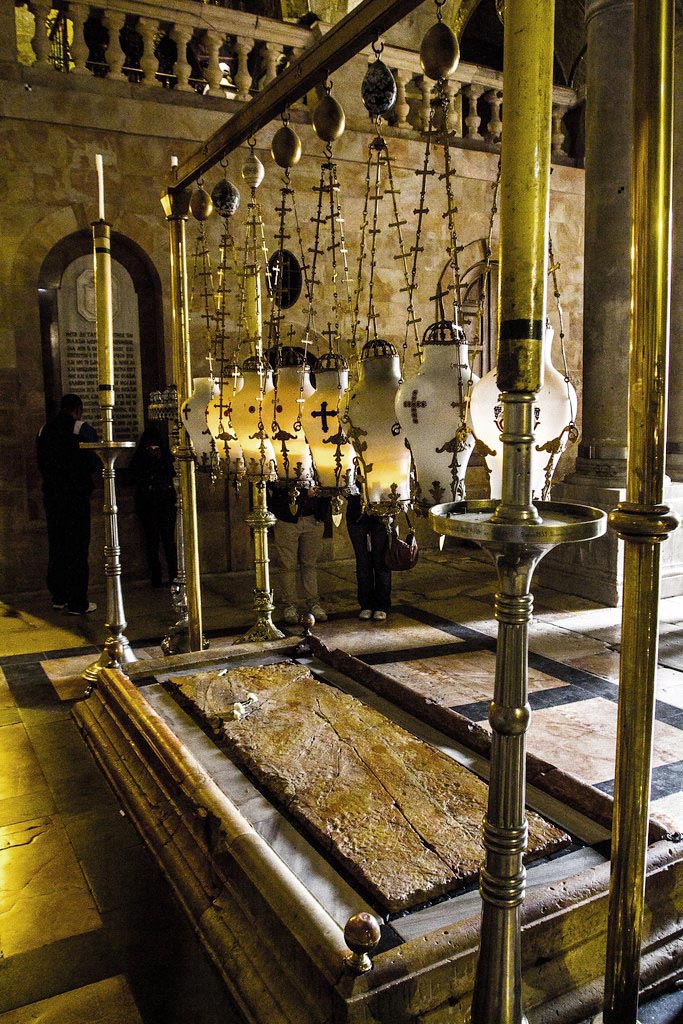
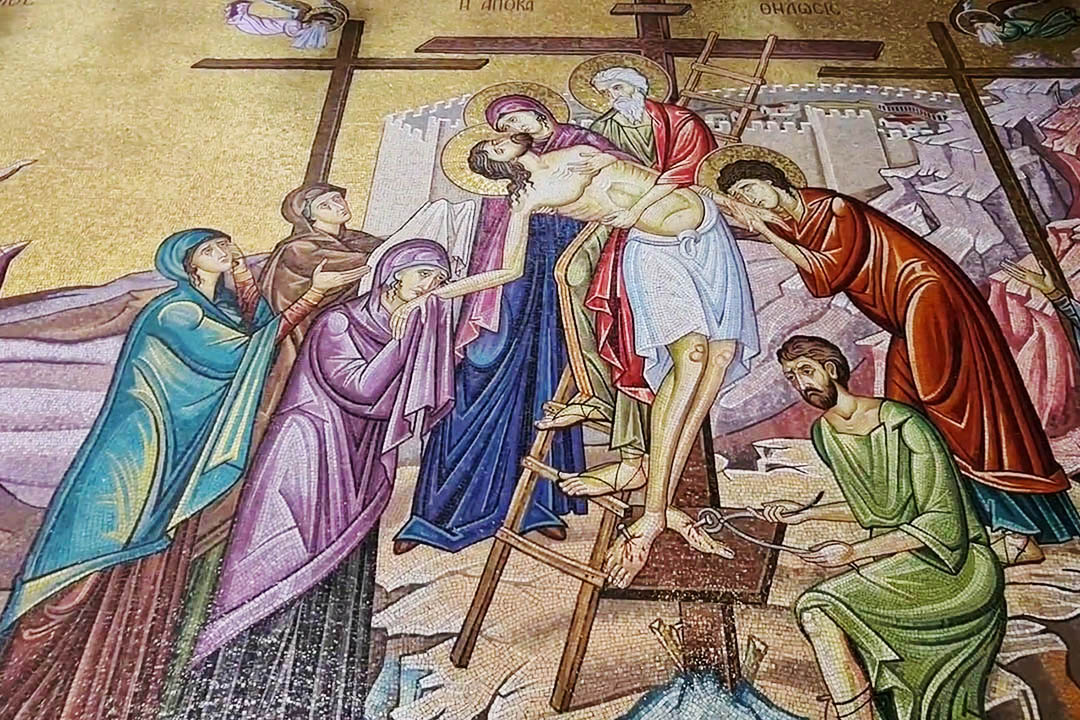
After Jesus’ death, His disciples took Him down from the cross and His body was wrapped in fine linen with spices and buried according to Jewish burial customs (John 19:38-40). Traditionally, the anointing stone at the entrance of the Church of the Holy Sepulchre is believed to have been the stone slab on which Jesus' body was laid in preparation for burial. “He was oppressed and He was afflicted, yet He opened not His mouth; He was led as a lamb to the slaughter, and as a sheep before its shearers is silent, so He opened not His mouth. He was taken from prison and from judgment, and who will declare His generation? For He was cut off from the land of the living; For the transgressions of My people He was stricken.” (Isa. 53:7-8)
Station 14: Jesus is Buried in the Tomb
The fourteenth and final station of the Via Dolorosa is the site of Jesus' tomb. According to Catholic tradition, it is located in the small house under the dome of the Church of the Holy Sepulchre - the Chapel of the Angels. However, according to the Bible, the place where Jesus was crucified was ‘near the city’ (John 19:20), and Jesus was buried in a new tomb in the garden near the place of the crucifixion (John 19:41-42), which was a tomb hewn out of the rock (Matt. 27:60). Therefore, the location of the tomb should be in the ‘Garden Tomb’ near the city gate of Damascus. From the Garden Tomb, we can see the rugged cliffs on the opposite side, which look like the eyes of a skull. This is where it was called ‘Calvary’ (John 19:17).