The Birth of Jesus
F allen human nature cannot free itself from its sinful nature and return to God on its own (Rom. 8:20-22). God designed the plan of redemption for mankind by incarnating His beloved Son, Jesus, to take human form to atone for our sins, so that mankind can be born again in Christ as a new creation, returning to God with a new divine life as His original creation (2 Cor. 5:1).
The Humbled and Exalted Christ
Let this mind be in you which was also in Christ Jesus, who, being in the form of God, did not consider it robbery to be equal with God, but made Himself of no reputation, taking the form of a bondservant, and coming in the likeness of men. And being found in appearance as a man, He humbled Himself and became obedient to the point of death, even the death of the cross. Therefore God also has highly exalted Him and given Him the name which is above every name, that at the name of Jesus every knee should bow, of those in heaven, and of those on earth, and of those under the earth, and that every tongue should confess that Jesus Christ is Lord, to the glory of God the Father.
- Philippians 2:5-11
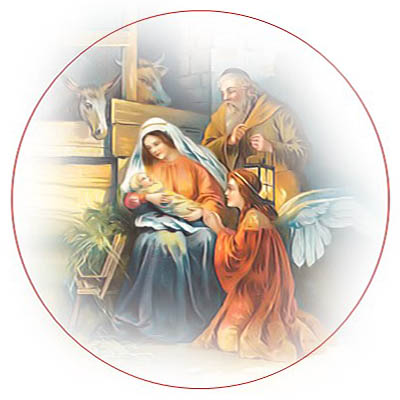
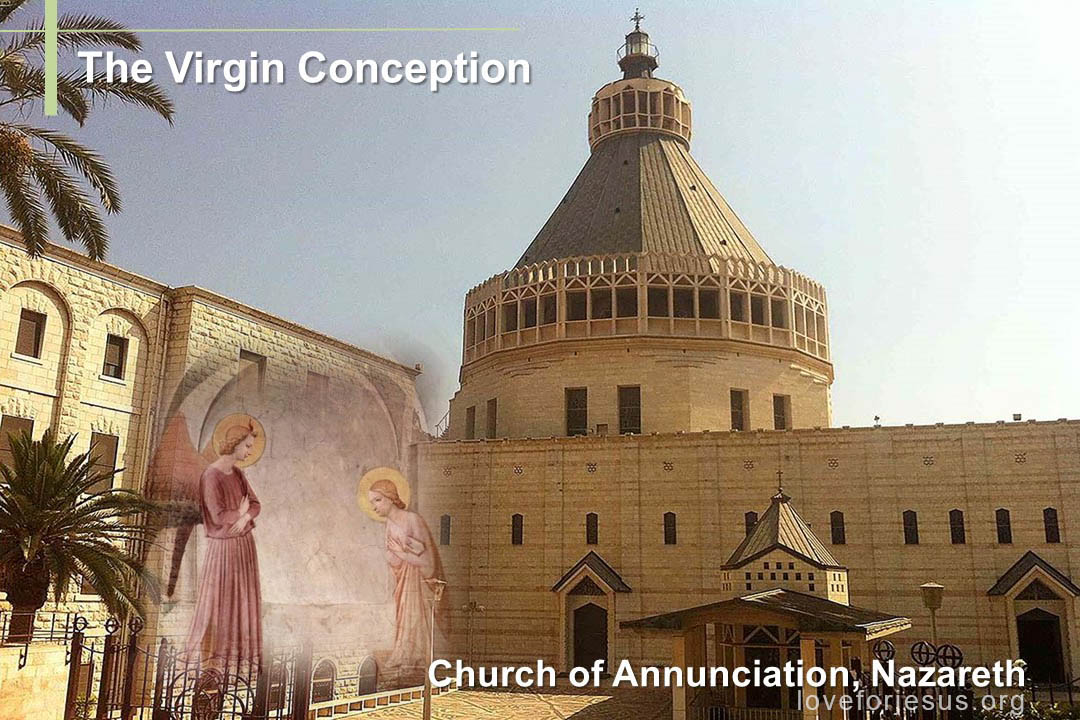
More than 2,000 years ago, the angel Gabriel sent by the Lord announced to the virgin Mary of Nazareth (Luke 1:26-28) the good news that she would be conceived by the Holy Spirit and give birth to the Son of God, whom she would call Jesus (Luke 1:31-35). The Hebrew name for Jesus means "Jehovah saves". The angel of the Lord also told Mary’s betrothed Joseph in a dream, "she will bring forth a Son, and you shall call His name Jesus, for He will save His people from their sins”, to be called Immanuel, which means God with us (Matt. 1:18,21-23). This explained the identity and mission of Jesus. The “virgin conception and birth of Jesus” fulfilled what the prophet Isaiah prophesied more than 700 years before Jesus was born: “Therefore the Lord Himself will give you a sign: Behold, the virgin shall conceive and bear a Son, and shall call His name Immanuel.” (Isa. 7:14).
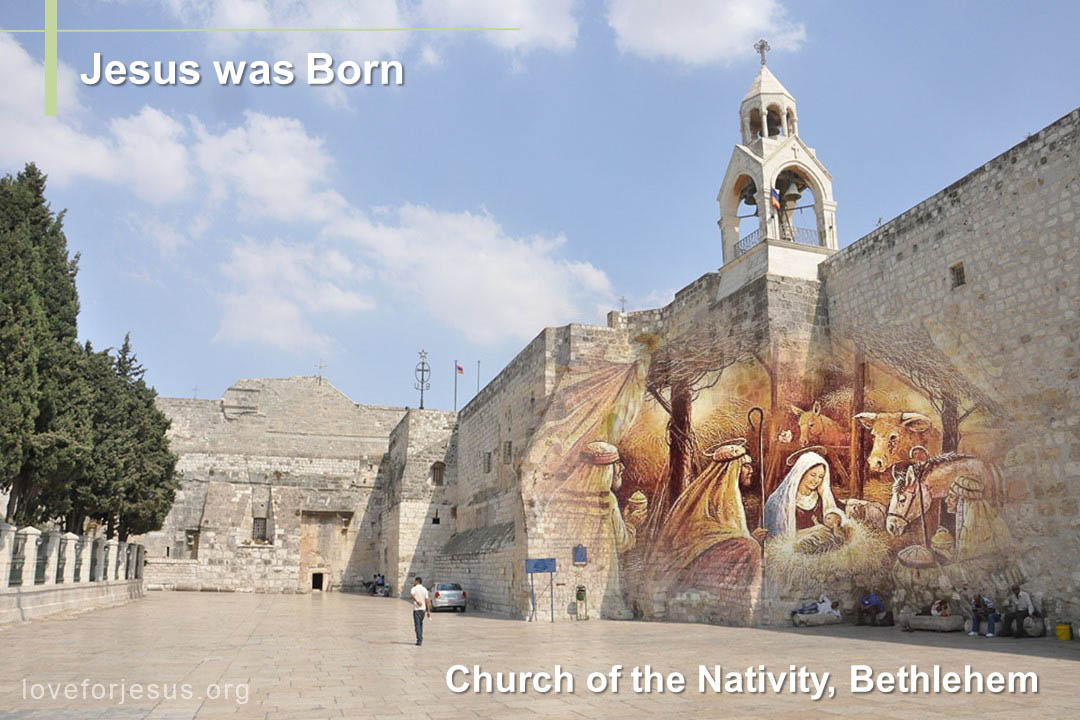
At that time, the Roman Caesar ordered a census. Mary and Joseph travelled from Nazareth to Bethlehem to register (Luke 2:1-4). There, Mary gave birth to Jesus in a stable because there was no room in the inn (Luke 2:5-7). The incarnation of Jesus (John 1:14) is God's plan of salvation for humanity. The Lord Jesus was born to die. He had to humble Himself to become one of us in order to save us by dying in our place as the scapegoat for our sins (Phil. 2:6-8; Ezra 4:4-5). The birth of Jesus in Bethlehem fulfilled the prophecy of the prophet Micah, who foretold this more than 700 years before the birth of Jesus: "Bethlehem Ephrathah, though you are little among the thousands of Judah, yet out of you shall come forth to Me the One to be Ruler in Israel, whose goings forth are from of old, from everlasting.” (Mic. 5:2)
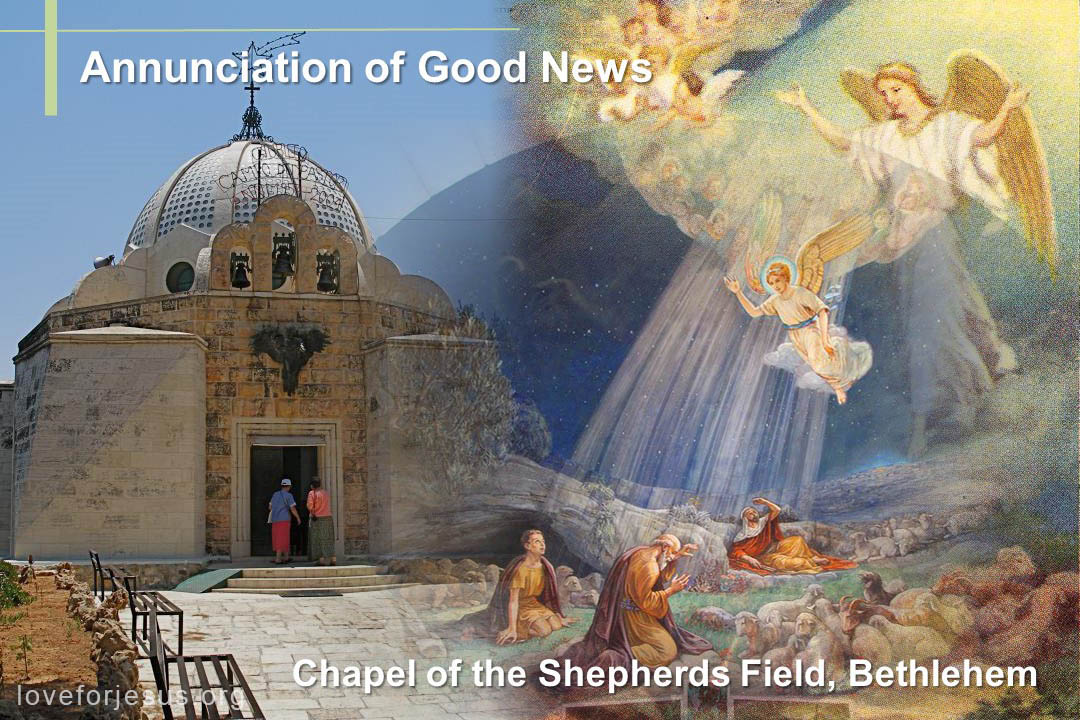
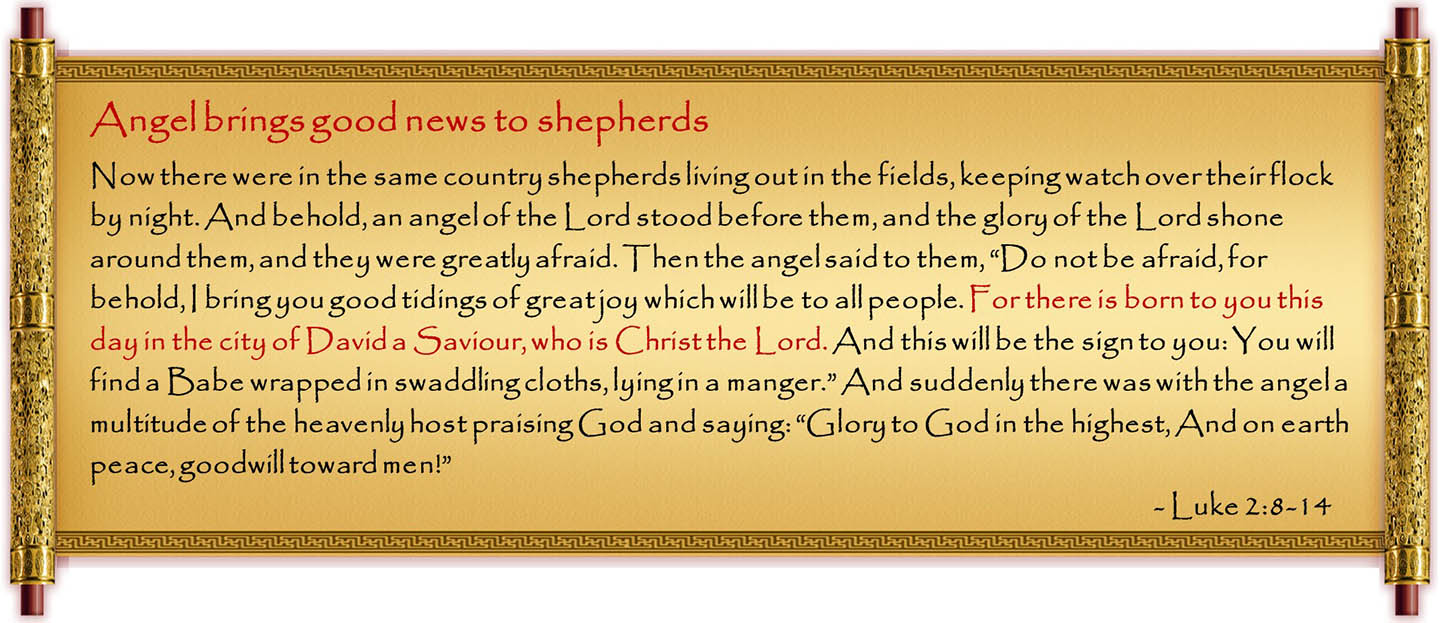
On the night of Jesus' birth, shepherds were tending their flocks in the wilderness. An angel of God appeared to them (Luke 2:8-9) and announced the great news that would affect all people, “For there is born to you this day in the city of David a Saviour, who is Christ the Lord.” (Luke 2:11-14). Bethlehem means granary or meat house. It was once a place where sacrificial lambs were raised. During the time of lamb production, shepherds would keep watch all night. What a meticulous and marvellous arrangement by God the Father that Jesus would be born in the land of sacrificial lambs during the birthing season as our sacrificial scapegoat (Matt. 20:28; 1 Cor. 5:7)! “The Saviour was born in the City of David”, as foretold by Isaiah (Isa. 9:6-7). This fulfilled God's promise to Abraham – “Kings shall come from you” (Gen. 17:6; Gal. 3:16; John 7:42).

After Jesus was born, some wise men from the East came on a long pilgrimage, following the star of Bethlehem, and asked, "Where is He who has been born King of the Jews? For we have seen His star in the East and have come to worship Him. " (Matt. 2:1-2; Num. 24:17). When they saw the child, they offered three gifts: gold, frankincense, and myrrh (Matt. 2:11). Gold symbolised the Jesus’ divinity (2 Chr. 3:7; Rev. 21:18), frankincense was used by the priests in sacrifice (Exod. 30:36), and myrrh foreshadowed Jesus’ crucifixion (John 19:39-40). All three gifts pointed directly to Jesus’ divinity (Son), identity (priest), and mission (sacrifice) (Eph. 5:2). It is evident that God had been preparing for Jesus’ crucifixion since His birth. Messengers from afar to worship the Saviour, fulfilled the prophecy made by King Solomon more than 900 years before Jesus’ birth (Ps. 72:10).
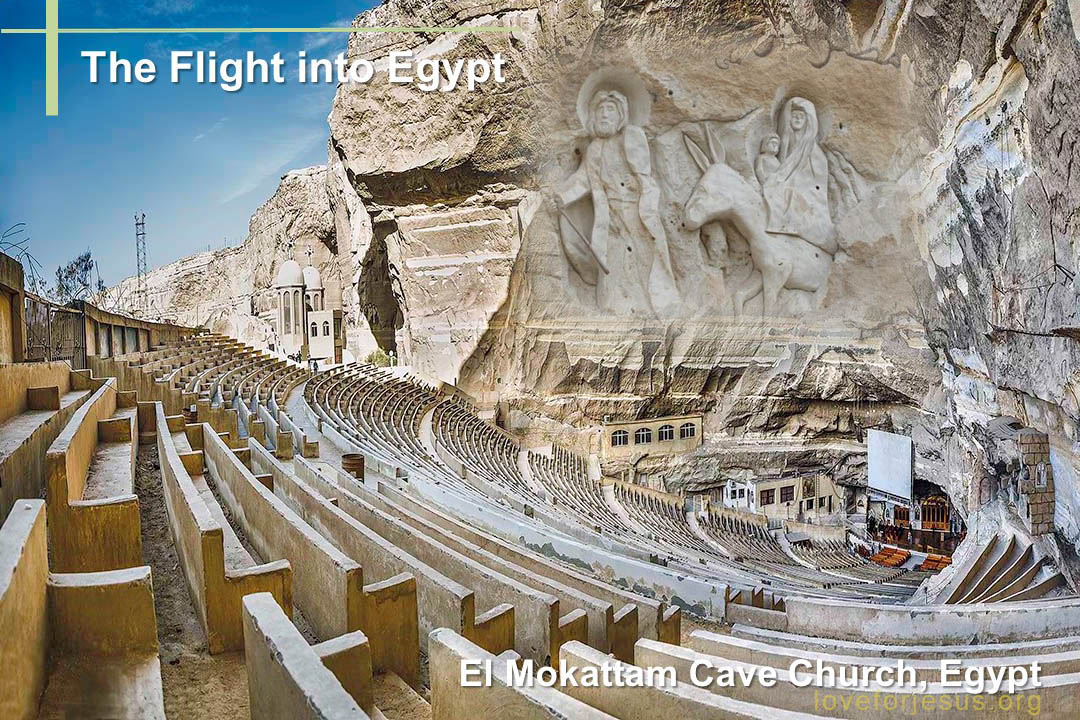
After the wise men left, the angel of the Lord told Joseph to flee to Egypt with baby Jesus and Mary because King Herod wanted to kill the baby (Matt. 2:13-15). Herod then killed all the children under the age of two in Bethlehem and the surrounding area (Matt. 2:16-18). After Herod died, the angel of the Lord told Joseph to take the child back to Israel and live in Nazareth (Matt. 2:19-21, 23). Jesus’ return from Egypt to Israel fulfilled the prophet Hosea’s prophecy, made more than 800 years before Jesus, that God would bring His Son back from Egypt (Hos. 11:1). In Cairo, Egypt, there is a church of 10,000 people built in the natural cave in the Mokattam mountain, which is believed to be the original place of refuge of Jesus. Bible stories and scriptures are carved into the rocks, including the scene of Joseph and Mary taking the baby Jesus to Egypt for refuge.
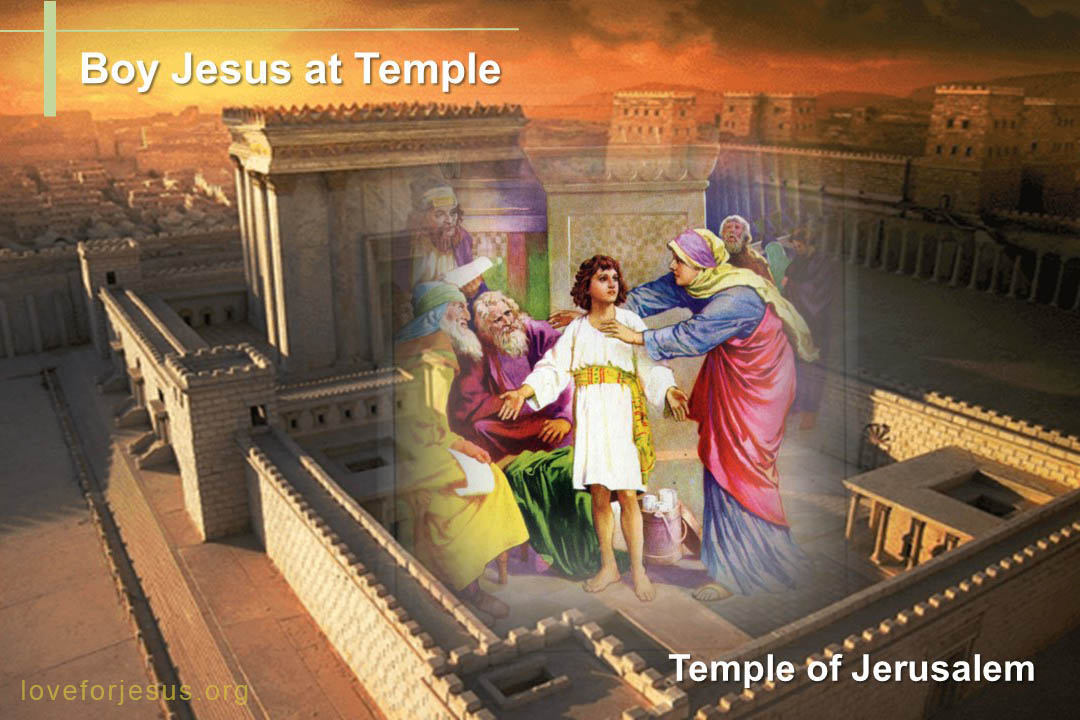
When the young Jesus was 12 years old, He went up to Jerusalem with his parents to celebrate the Passover (Num. 9:2-3; Luke 2:41-42). When they returned after the feast, Jesus was not with them. Three days later they returned to the temple and found Jesus sitting in the midst of the temple teachers, listening and asking questions. All who heard Him were amazed (Luke 2:43, 45-47). The young Jesus said to His mother, “Why did you seek Me? Did you not know that I must be about My Father’s business?” (Luke 2:49). Jesus never forgot His Father's mission. He came into the world to complete the Father’s work of redemption (John 4:34), and to bring all things to God the Father through His atoning sacrifice on the cross (Col. 1:17,20; John 17:4-5). Jesus from eternity fulfilled the prophecy of the prophet Micah made over 700 years before Jesus was born (Mic. 5:2).